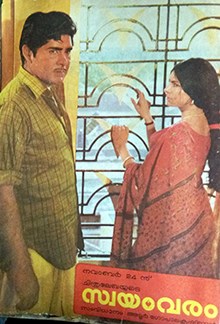
Spoiler-free review.
The film's focus is on a couple's struggle to define their own future, separate from the expectations of their families. Their journey is both personal and deeply symbolic. Adoor Gopalakrishnan's direction ensures that the emotional stakes remain high without melodrama. The tension between freedom and obligation feels immediate and real.
Madhu and Sharada bring a quiet intensity to their roles, making their choices feel like a natural progression rather than a dramatic flourish. Their performances highlight the internal conflict of wanting independence while fearing rejection from those they love most.
The script avoids easy resolutions, allowing the characters' dilemmas to unfold with realism and emotional clarity. The film’s pacing allows moments of stillness to emphasize the gravity of their situation, avoiding rushed conclusions.
Supporting actors like Bharat Gopy add depth to the narrative without overshadowing the central relationship. The use of outdoor settings reinforces the theme of seeking a new path away from the past and its constraints.
Gopalakrishnan's approach feels grounded in the realities of human relationships rather than abstract ideals. The film’s significance lies in how it portrays love not as a romantic escape but as a complex responsibility.
Its legacy is in how it challenges traditional roles without losing sight of the personal cost involved. Madhu and Sharada make the struggle feel intimate, ensuring that the film's themes remain rooted in human experience.
1972 · Malayalam. Film details · Film details · Poster source · Artwork © its respective rights holders.
8/10
My verdictSwayamvaram explores the weight of a decision made against family wishes, with Madhu and Sharada at its emotional core. Adoor Gopalakrishnan crafts a story where love and independence are tested by tradition.
— Desly