Spoiler-free review.
Ottaal lingers on the spaces between words, where grief has settled into daily life without ever being named. Jayaraj builds tension from what is left unsaid. The central cast carries the film’s emotional gravity without needing to shout their pain. Their restraint makes the tragedy more immediate and personal.
Different temperaments within the family create a subtle but powerful drama. Each character reacts to loss in their own way, revealing how deeply it has shaped them. The writing avoids melodrama by focusing on small moments that reveal big emotions. A glance, a pause—these are where the film finds its truth.
Ashanth K Sha and Kumarakom Vasudevan bring a quiet intensity to their roles. Their performances suggest lives altered by grief without ever needing to explain it. Shine Tom Chacko adds a layer of complexity to the family dynamic. Her presence shifts the emotional balance without overpowering the others.
The film’s structure unfolds like a slow unraveling, revealing more with each scene. The pacing allows the audience to sit with the characters’ silence. Jayaraj avoids grand gestures, trusting the actors to convey the weight of their circumstances through subtle choices in tone and timing.
The setting becomes another character, its stillness reflecting the emotional stasis of those within it. Nothing is rushed or forced. The film's power lies in how it makes the audience feel the absence without ever showing the event that caused it.
Ottaal resists easy resolution, leaving the family’s pain unresolved but deeply felt. It asks more than it answers, which is its strength. The performances and direction combine to make a story about grief that feels intimate, real, and profoundly moving.
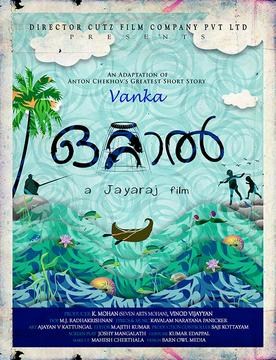
2015 · Malayalam. Film details · Film details · Poster source · Artwork © its respective rights holders.
8/10
My verdictOttaal explores the weight of unspoken grief through a family fractured by loss, directed with quiet intensity by Jayaraj. The film's emotional stakes are anchored in its performances and restrained storytelling.
— Desly