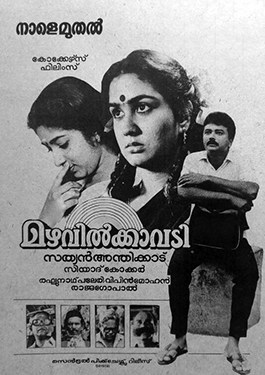
Spoiler-free review.
Mazhavilkavadi uses comedy as a lens to examine the pressures of social roles, revealing tensions beneath the surface of everyday life. The film's structure allows for moments of levity even as it questions the burdens placed on individuals by their communities.
Jayaram portrays a man caught between duty and personal longing, his performance grounding the story in relatable emotions. His character’s internal conflict is made visible through subtle expressions that speak volumes without words.
Innocent’s role as the antagonist adds complexity, challenging the audience’s expectations of moral clarity. His presence shifts the tone, making the film’s exploration of right and wrong more layered and engaging.
Sithara and Urvashi bring warmth to their roles, adding emotional depth to the relationships being tested by external forces. Their performances highlight how personal connections are strained under societal weight, even in moments of joy.
The film avoids didacticism, letting its characters navigate their dilemmas with authenticity rather than preaching solutions. The balance between humor and drama keeps the narrative from becoming overly heavy or sentimental.
Mazhavilkavadi’s strength lies in its ability to make its themes feel immediate and relevant without losing the charm of its comedic elements. The cast’s chemistry ensures that the social commentary remains rooted in human experience rather than abstract ideas.
1989 · Malayalam. Film details · Film details · Poster source · Artwork © its respective rights holders.
8/10
My verdictMazhavilkavadi balances laughter and sorrow, exploring how societal expectations shape lives. Jayaram and Innocent anchor the film with performances that reveal the weight of tradition and personal desire.
— Desly