Dorothy — Karthik Subbaraj does it again
Karthik Subbaraj does it again. The feeling of Iraivi, Vettai Muthukumar’s surprising Whistle Veeraiyya, and Ilaiyaraaja’s deeply moving music make Dorothy a film that stays with me. 9/10.
Karthik Subbaraj does it again. The feeling of Iraivi, Vettai Muthukumar’s surprising Whistle Veeraiyya, and Ilaiyaraaja’s deeply moving music make Dorothy a film that stays with me. 9/10.
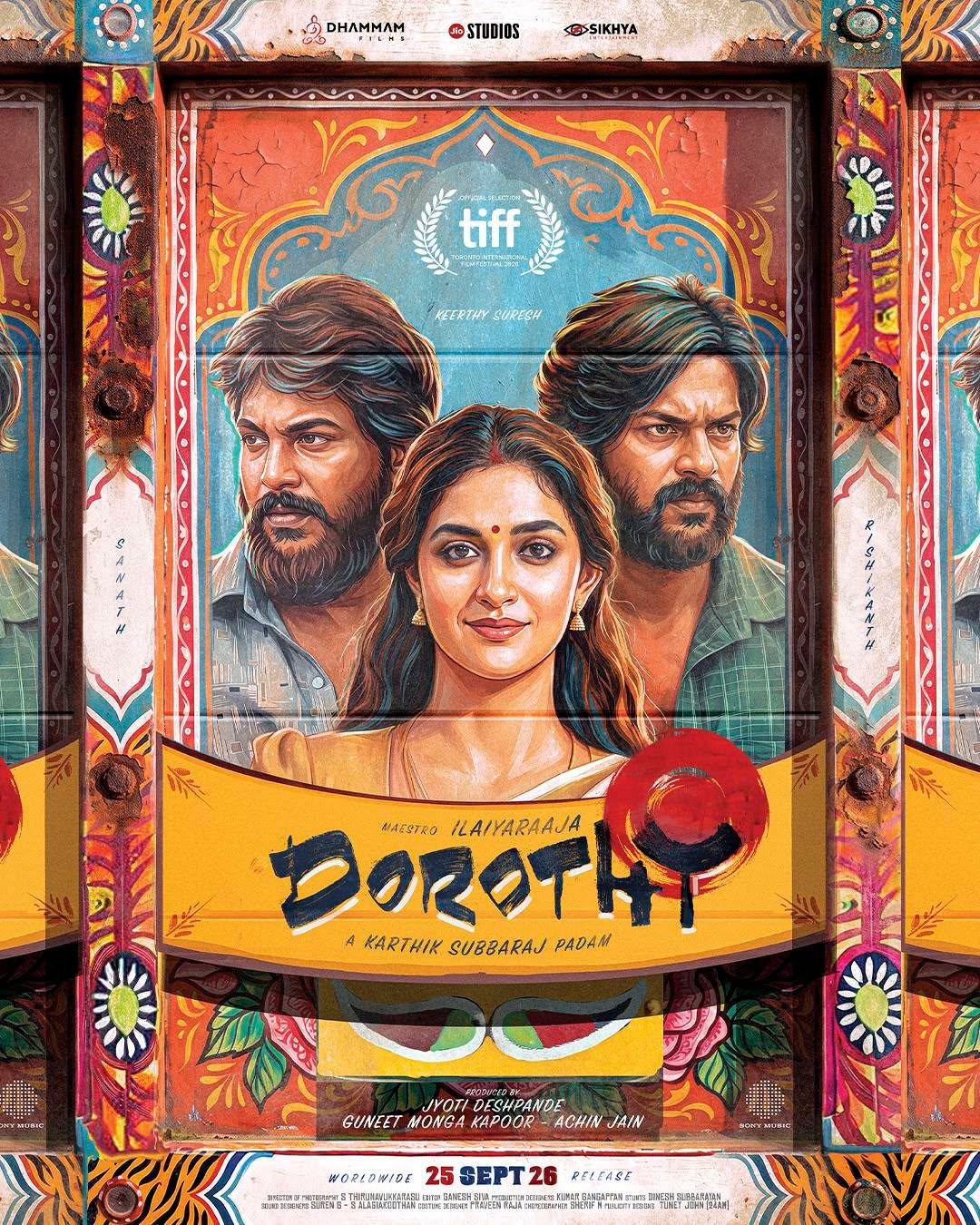
Spoiler-free review.
Karthik Subbaraj has done it again. Dorothy left me with that feeling of having watched a filmmaker return to something that matters deeply to him. There is a force to the film that makes me want to talk about it afterwards, and a large part of my response comes from the people inside its rough, unforgiving world. This is a 9/10 film for me.
The film brought back something of the feeling of Iraivi, which remains one of the best films Karthik Subbaraj has made. It is a comparison I mean as a compliment. What connects them for me is the discomfort around men, the power they assume they have, and the damage that can follow when pride becomes more important than another person.
Dorothy is set around Madurai in the 1990s and follows the friendship between Subbu and Karthi. Their lives take shape in a community governed by caste divisions, family authority and rigid expectations of masculinity. That setting gives the friendship a difficult question to carry: how much room is there for someone you love to become a person you did not expect?
This is where the Iraivi feeling stayed with me. The attraction is not simply to a dark story or to characters making terrible choices. It is to a filmmaker looking closely at the ideas people inherit and the cost of refusing to question them. I like Karthik Subbaraj most when the drama gives those ideas a human consequence. Dorothy belongs in that conversation for me.
The subject feels relevant well beyond the period in which the film is set. Caste prejudice, the policing of masculinity, and the belief that a family can decide how someone must live are not comfortably distant problems. A change of decade does not automatically change those attitudes. That is why the film’s questions about identity and acceptance matter to me now: they concern the freedom to live with dignity, without having to earn it through obedience.
For me, the difficult question is what acceptance looks like when it asks something of us. It is easy to support the idea of compassion while still expecting another person to fit our familiar categories. Can we listen when their experience unsettles those expectations? Can affection survive the loss of control? I value Dorothy for bringing that discomfort into a film people will watch and argue about together. A film cannot settle these issues, but it can make avoiding them harder.
Sananth and Rishikanth give the subject a personal weight. As Subbu, Sananth has to make vulnerability feel like part of a whole person, rather than a quality attached to an argument. Rishikanth’s Karthi carries the strain of trying to reconcile affection with what he has been taught to believe. Their performances give the friendship its emotional stakes. I wanted to stay with these people even when the relationship became uncomfortable.
There is another reason I felt close to the leads: they feel like one of us. Watching them take on these roles brought the satisfaction of seeing people who have kept trying finally get a part that lets them show what they can do. I am rooting for them as actors as well as following their characters. Their performances deserve recognition on their own, and knowing something of the road behind them makes that recognition feel more personal.
That feeling has a real background. In their interview with The News Minute, both actors spoke about years of short-film work, patience and waiting for a breakthrough. Rishikanth also described his roughly fifteen-year journey from Thanjavur to leading roles in The Hollywood Reporter India. Those accounts help explain my sense of connection. A career built over years can look sudden from the audience’s side; I am glad Dorothy gives their work this visibility.
Keerthy Suresh plays Dorothy, whose presence introduces compassion into this harsh household. Her role is important to the way the film sets tenderness against the rules surrounding its characters. It also helps explain why the story needs more than violence to make its point. The possibility of care has to exist within the world that is trying to crush it.
Vettai Muthukumar was a real surprise for me as Whistle Veeraiyya. He is the performance I particularly wanted to mention after watching the film. The character’s attachment to authority and family pride gives the role a threatening weight, and Muthukumar makes that presence difficult to dismiss. I was struck by how strongly he came through in a film with so much else going on.
A role like this matters because the pressure on the central characters needs a human face. Whistle Veeraiyya represents a way of thinking that treats obedience as a duty and difference as a challenge to power. Muthukumar’s portrayal gave me a strong reason to pay attention to the supporting cast as well as the leads. It is one of the things I will remember about Dorothy.
Ilaiyaraaja’s music is one of the things I loved about Dorothy. His score brings an emotional depth that sits beautifully alongside the performances. There is tenderness in it, but also the weight this harsh world needs. The music makes room for the characters’ vulnerability and gives their relationships another way to reach us.
What I appreciate most is how the score connects the film’s roughness with its compassion. The tension matters, but so do the moments when we are allowed to feel close to these people. Ilaiyaraaja gives those feelings a musical life of their own. His contribution is a major part of why Dorothy’s emotional pull stays with me after the film is over.
I would also love to experience Dorothy with Santhosh Narayanan’s music. That is an additional version I would be curious to watch, because I enjoy his musical connection with Karthik Subbaraj. It takes nothing away from my admiration for Ilaiyaraaja’s work here; I can love this score and still be excited by what another composer might bring to the same film.
The film’s visual approach also gives it a distinct identity, with colour and monochrome separating different parts of the story. I will leave the larger narrative turns alone; this is a film I would rather discuss in detail after someone has watched it. My strongest response is already clear: the Iraivi connection, the central friendship, and Muthukumar’s surprising presence give me plenty to return to.
9/10. Dorothy reminded me why I keep looking forward to Karthik Subbaraj’s work. The leads make the central relationship matter, Vettai Muthukumar is a striking surprise, and Ilaiyaraaja’s music deepens the feeling throughout. Alongside its relevant subject and the connection I felt to Iraivi, those are the reasons I recommend it so enthusiastically.
Background reading: Scroll — Nandini Ramnath · The Times of India — M Suganth · Rediff — Sreeju Sudhakaran · The Indian Express — Anandu Suresh · The News Minute — interview with Sananth and Rishikanth · The Hollywood Reporter India — Rishikanth interview
2026 · Tamil. Film details · Poster source · Artwork © its respective rights holders.
Karthik Subbaraj does it again. The feeling of Iraivi, Vettai Muthukumar’s surprising Whistle Veeraiyya, and Ilaiyaraaja’s deeply moving music make Dorothy a film that stays with me. 9/10.
— Desly