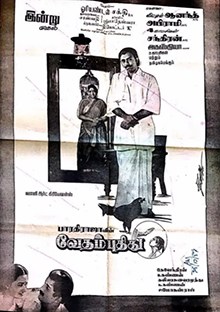
Spoiler-free review.
The film examines how deeply held traditions can collide with individual choices, creating a rift that reverberates through family bonds. Bharathiraja structures the narrative to highlight the moral dilemmas faced by each character, placing them in a society that demands conformity.
Sathyaraj portrays a man caught between disbelief and the weight of his son's decisions, giving the role depth without melodrama. His performance captures the internal conflict of a father who once rejected religion but now faces its consequences head-on.
Saritha and Amala bring emotional clarity to their roles, allowing the central conflict to rest on their personal stakes rather than external spectacle. Their chemistry underscores the tragedy of love being deemed unacceptable by a society that values lineage over affection.
The supporting cast adds texture to the story, representing different facets of the rigid social order the film critiques. Each actor contributes to the atmosphere of tension without overshadowing the central relationship at the heart of the drama.
The pacing allows moments of quiet reflection amid rising conflict, ensuring the emotional beats remain grounded in realism. Bharathiraja balances the heavy themes with a narrative that remains accessible, avoiding didacticism while still making its point clear.
The film's impact lies in how it makes the audience feel the weight of societal expectations on personal happiness. Vedham Pudhithu succeeds by making its critique of caste and tradition feel immediate and emotionally resonant.
1987 · Tamil. Film details · Film details · Poster source · Artwork © its respective rights holders.
8/10
My verdictVedham Pudhithu explores the tension between faith, caste, and personal desire through a father’s struggle with his son's forbidden love. Bharathiraja crafts a story that challenges societal norms while keeping the emotional stakes clear.
— Desly