The Witch — Anya Taylor-Joy's silence speaks volumes
The Witch builds unease through naturalistic performances and deliberate pacing. Its final act risks overreaching its own restrained tone.
The Witch builds unease through naturalistic performances and deliberate pacing. Its final act risks overreaching its own restrained tone.
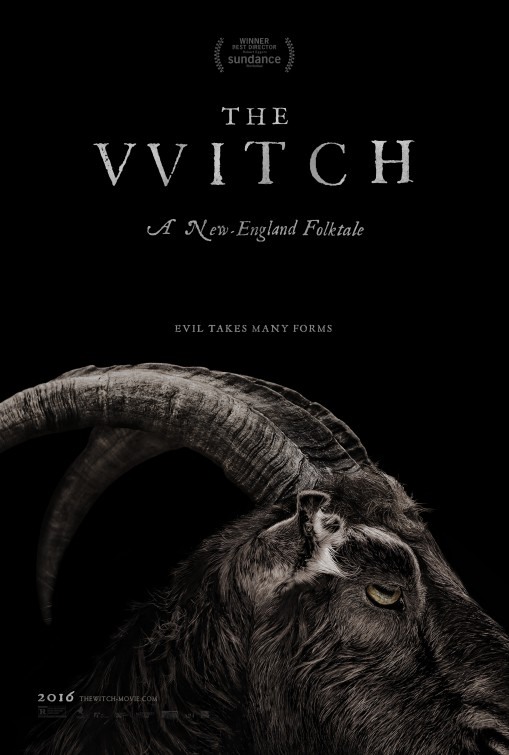
Spoiler-free review.
The family’s isolation is felt immediately, not explained through exposition or dialogue. A child’s disappearance becomes the catalyst for escalating tension without melodrama. The script avoids easy horror tropes, focusing instead on the slow erosion of trust.
The camera focuses on everyday tasks, making the supernatural feel like it's part of the normal world. Long periods without much happening let the audience sit with the family's growing worry. This slow pace is intentional but can feel slow in the quieter parts.
Anya Taylor-Joy conveys fear without screaming, her eyes holding the weight of suspicion. Ralph Ineson’s performance as the patriarch is quietly menacing, his voice carrying authority and doubt. Kate Dickie brings a simmering tension to her role, her presence always felt rather than shown.
The film's uncertainty is its best part but also its weakest. Some questions stay unanswered, which can feel unsatisfying. A few scenes drag on and lose their emotional punch. However, the film's stick-to-its-own-rules approach makes its creepy ending both surprising and unsettling.
2015 · English. Film details · Film details · Poster source · Artwork © its respective rights holders.
The Witch builds unease through naturalistic performances and deliberate pacing. Its final act risks overreaching its own restrained tone.
— Desly