Memento — Information with an expiry date
The backwards structure makes doubt feel immediate rather than decorative. Guy Pearce gives the puzzle a reason to matter beyond working out its order.
The backwards structure makes doubt feel immediate rather than decorative. Guy Pearce gives the puzzle a reason to matter beyond working out its order.
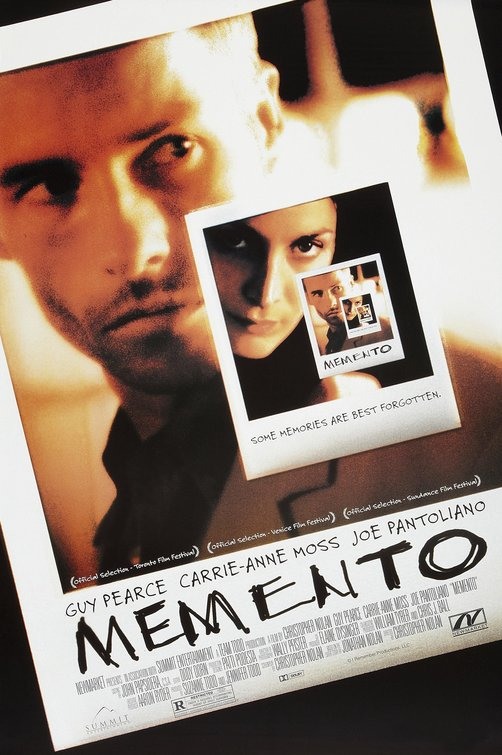
Spoiler-free review.
What makes Memento work is the moment a conversation starts without the reassurance of knowing what came before it. Someone sounds helpful, but there is no reliable reason to trust them yet. Christopher Nolan makes that uncertainty a practical problem for the viewer, rather than just a condition described by the dialogue.
The editing makes information feel temporary. A photo or note might offer a brief reprieve, but then they become things to question. You have to pay attention, but each scene is pretty straightforward. There's usually an immediate problem to follow, even if the bigger picture isn't clear yet.
Guy Pearce keeps Leonard from becoming only an ingenious writing exercise. His seriousness, frustration and need for a workable routine give the film some emotional weight. Carrie-Anne Moss and Joe Pantoliano are especially effective at making ordinary exchanges difficult to read. A change in context can do more than a threatening line.
The structure feels a bit mechanical at times. The joy of solving the puzzle can overshadow the people in it. Still, the film ties its clever setup to a real human question: how much certainty can you build from information you can't fully trust? That's why the cleverness stays worth revisiting.
2000 · English. Film details · Film details · Poster source · Artwork © its respective rights holders.
The backwards structure makes doubt feel immediate rather than decorative. Guy Pearce gives the puzzle a reason to matter beyond working out its order.
— Desly