The Taking of Pelham One Two Three — A hostage crisis with a calm negotiator
The film balances tension and wit, but its resolution feels rushed. Matthau's performance anchors the narrative despite this flaw.
The film balances tension and wit, but its resolution feels rushed. Matthau's performance anchors the narrative despite this flaw.
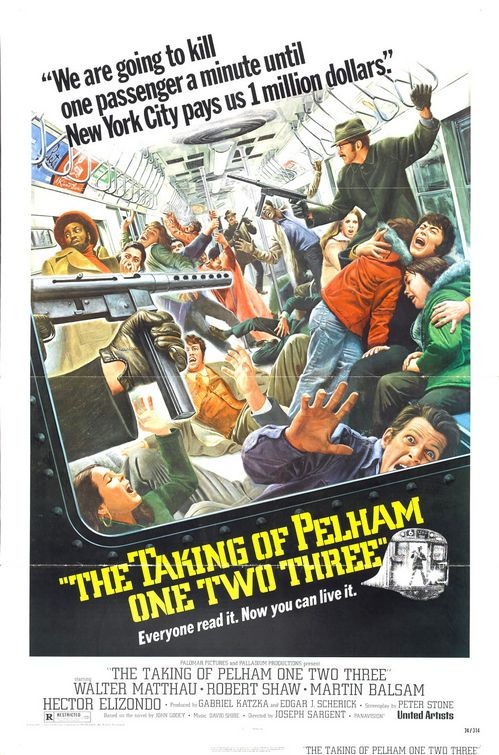
Spoiler-free review.
The central conflict hinges on a subway takeover and the negotiation between two men with opposing goals. A train is seized, and a criminal demands a ransom while a transit official tries to defuse the situation. This setup creates immediate stakes without needing exposition or backstory.
The film moves at a steady pace, letting conversations build tension instead of raising the stakes with action. Each scene uses dialogue to show strategy and personal motivations. Information unfolds in a way that keeps the audience involved without feeling rushed.
Walter Matthau brings a dry wit and calm authority to his role as the transit official. His performance grounds the film in realism even when the situation veers into farcical territory. Robert Shaw's antagonist is menacing yet articulate, adding depth to the confrontation.
The script focuses on verbal battles instead of action scenes to show the conflict. This works for the most part, but it can make the story feel a bit slow. Still, the film stays tense and smart about how people negotiate under pressure.
1974 · English. Film details · Poster source · Artwork © its respective rights holders.
The film balances tension and wit, but its resolution feels rushed. Matthau's performance anchors the narrative despite this flaw.
— Desly