The Man Who Wasn't There — A quiet crime with no obvious villains
The film's restraint makes its moral ambiguity feel real rather than calculated. The performances suggest a tragedy unfolding without clear direction.
The film's restraint makes its moral ambiguity feel real rather than calculated. The performances suggest a tragedy unfolding without clear direction.
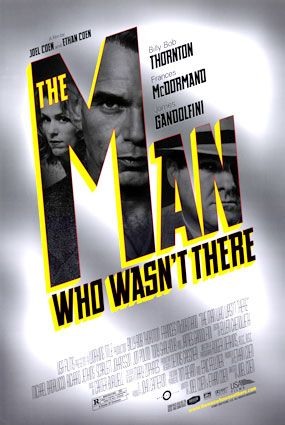
Spoiler-free review.
Ed Crane's decision to blackmail his wife’s lover begins as a desperate plan but quickly becomes something more dangerous. The film avoids flashy crime tropes, focusing instead on the slow unraveling of choices that seem small at first. The Coen brothers frame the story with a deliberate slowness that reflects the characters’ emotional distance from their own actions.
The dialogue is sparse but layered, often revealing more through what's left unsaid than what's spoken. The pacing is methodical, building tension not through urgency but through inevitability. The film's structure lets the audience feel the weight of decisions without being told how to feel about them.
Billy Bob Thornton brings a low-key intensity that makes Ed’s descent feel personal rather than dramatic. Frances McDormand and James Gandolfini play their roles with minimal expression, letting silence carry the emotional stakes. The supporting cast adds a dry, observational tone that contrasts with the growing moral complexity of the central crime.
The film's greatest strength is its refusal to offer easy resolutions or clear villains. At times, the quiet approach risks underplaying the consequences of Ed’s choices. Still, the Coens balance moral ambiguity with enough emotional clarity to make the tragedy feel earned.
2001 · English. Film details · Poster source · Artwork © its respective rights holders.
The film's restraint makes its moral ambiguity feel real rather than calculated. The performances suggest a tragedy unfolding without clear direction.
— Desly