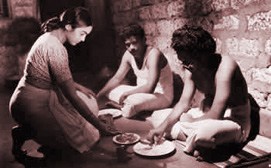
Spoiler-free review.
Kathapurushan unfolds as a meditation on how stories shape lives long after their telling. The film’s focus is on the emotional gravity of remembering and being remembered. The narrative structure allows time to move slowly, giving space for characters to reflect on choices that ripple across generations.
Vishwanathan brings a quiet intensity to his role, making the weight of history feel immediate rather than distant or academic. His performance suggests that the past is not just recalled but lived through in every decision and hesitation.
Mini Nair adds depth to the emotional stakes with a presence that feels both grounded and introspective. Her scenes reveal how personal histories are layered with unspoken grief and pride, complicating any simple resolution.
The film’s pacing allows for pauses that reflect the slowness of change and the persistence of memory. These moments do not drag but instead deepen the connection between characters and their inherited burdens.
The dialogue carries a poetic quality that underscores the reverence for stories passed down through time. This reverence does not erase the human cost of holding onto the past, nor does it simplify the choices made by those who live within it.
Kathapurushan balances its historical scope with intimate character moments, ensuring neither overwhelms the other. Vishwanathan and Nair make the emotional stakes feel real without needing to spell out the film’s themes explicitly.
1995 · Malayalam. Film details · Film details · Poster source · Artwork © its respective rights holders.
8/10
My verdictKathapurushan explores the weight of history through personal stories, with Vishwanathan and Mini Nair anchoring a drama about memory and legacy. Adoor Gopalakrishnan frames past voices within present struggles.
— Desly