Yarukkaga Azhudhan — A servant's unjust accusation becomes a moral test
A mentally challenged boy faces theft accusations in a lodge, sparking a tale of injustice. The film explores themes of truth and societal neglect through its central conflict.
A mentally challenged boy faces theft accusations in a lodge, sparking a tale of injustice. The film explores themes of truth and societal neglect through its central conflict.
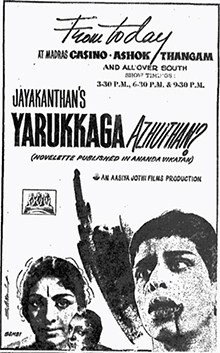
Spoiler-free review.
The film centers on an intellectually disabled servant boy wrongly accused of theft, raising questions about justice and empathy. The narrative challenges viewers to consider how society treats the vulnerable, framing the protagonist’s plight as both personal and universal.
The tone is somber and introspective, with an atmosphere that weighs heavily on the characters’ choices. Emotional tension builds as the situation unfolds, creating a mood that lingers long after the credits roll.
Nagesh, K. R. Vijaya, T. S. Balaiah, S. V. Sahasranamam, and Wahab Kashmiri deliver performances that anchor the film's emotional core. Their portrayals bring authenticity to their roles, making the moral dilemmas feel immediate and urgent.
Jayakanthan’s direction and writing focus on the emotional stakes of the story, emphasizing the protagonist’s struggle without relying on melodrama. The narrative choices highlight the human cost of misunderstanding and prejudice.
The pacing is deliberate, allowing the drama to unfold with measured tension. While the film’s slow build may test some viewers, it serves the story’s gravity well, aligning with its themes of injustice.
This film is recommended for those drawn to moral dilemmas and character-driven stories. Its thoughtful approach to a sensitive subject makes it a compelling watch despite its commercial shortcomings.
1966 · Tamil. Film details · Film details · Poster source · Artwork © its respective rights holders.
A mentally challenged boy faces theft accusations in a lodge, sparking a tale of injustice. The film explores themes of truth and societal neglect through its central conflict.
— Desly