Spoiler-free review.
The film’s tragedy lies in the growing gap between what Ravi believes and what he must do to survive. Aravindan captures this dissonance without melodrama or moralizing. Ravi's reflections on freedom fighters contrast with his own choices, creating a tension that feels personal rather than political. The writing makes his inner struggle central.
The film does not shy away from showing how ideals can be eroded by necessity. Ravi's journey is one of quiet disillusionment rather than outright betrayal. Aravindan’s direction ensures the emotional stakes remain grounded in Ravi’s perspective. The story unfolds through his evolving understanding of justice and survival.
Mohandas carries the weight of Ravi’s moral complexity without oversimplifying the character. His performance balances hope with the burden of reality. His portrayal makes Ravi’s choices feel inevitable, even when they are painful. The actor conveys the slow erosion of youthful conviction without judgment.
Supporting actors like Kunju and Adoor Bhasi add depth to the world Ravi navigates. Their roles reflect the broader societal shifts that shape his path. The film’s strength is in how it avoids easy answers. It does not demand admiration for Ravi’s decisions but asks us to understand them.
Aravindan’s approach feels deliberate, allowing moments of quiet to emphasize the emotional weight of Ravi's situation. The film’s influence on Kerala cinema lies in its focus on internal conflict rather than external events. It prioritizes personal truth over spectacle.
Uttarayanam remains compelling because it refuses to simplify the cost of compromise. It portrays a man caught between his past and present. Mohandas and the supporting cast make this moral inquiry feel immediate and urgent, even decades after its release.
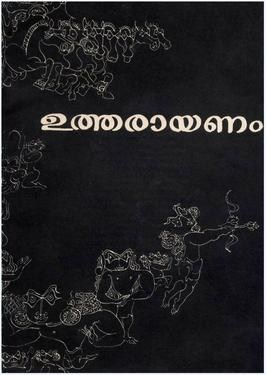
1975 · Malayalam. Film details · Film details · Poster source · Artwork © its respective rights holders.
8/10
My verdictUttarayanam explores the tension between youthful idealism and the compromises of later years, with Mohandas at the heart of a story that questions loyalty and truth. G. Aravindan frames this conflict with quiet intensity.
— Desly