Time Lapse — A clever advantage becomes a burden
Time Lapse has a good small-scale premise and makes useful trouble out of it. The character writing is less reliable, so the complications are often more interesting than the people caught in them.
Time Lapse has a good small-scale premise and makes useful trouble out of it. The character writing is less reliable, so the complications are often more interesting than the people caught in them.
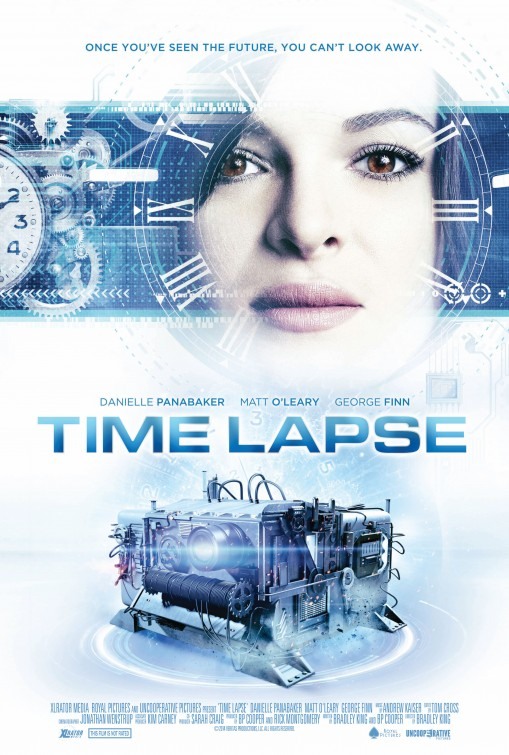
Spoiler-free review.
Time Lapse understands the appeal of getting a little more information than everybody else. The premise offers an apparent advantage, and the film is quick to make that advantage uncomfortable. Bradley King keeps the scale small enough that the consequences have somewhere specific to land. Decisions affect a handful of people rather than an anonymous world.
I liked how the film makes an image something to think about rather than just accept. Knowing what it seems to show doesn't always mean you know what to do next. That creates pressure in a small setting. The film gets some good complications from the difference between seeing and understanding.
The performances and dialogue are less consistent. Some reactions seem designed to get the story to its next problem rather than arising naturally from the people involved. That made it harder to stay invested when the disagreements became more emphatic. The premise is doing more of the work than the relationships.
There's still enough cleverness here to keep the film interesting, especially if you like modest sci-fi with a clear central rule. I wanted the characters to have more depth beyond their roles in the plot. The idea is good; the film is engaging in parts but not fully convincing throughout.
2014 · English. Film details · Poster source · Artwork © its respective rights holders.
Time Lapse has a good small-scale premise and makes useful trouble out of it. The character writing is less reliable, so the complications are often more interesting than the people caught in them.
— Desly