The Long Goodbye — A detective who can't be trusted
The film balances satire and melancholy, but its slow pace and fragmented tone test patience. Elliott Gould carries the weight of a role that resists traditional heroism.
The film balances satire and melancholy, but its slow pace and fragmented tone test patience. Elliott Gould carries the weight of a role that resists traditional heroism.
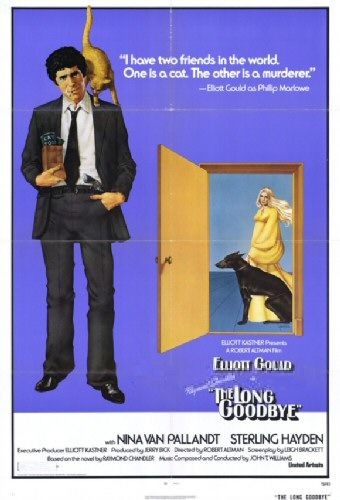
Spoiler-free review.
Philip Marlowe is not the sharp-eyed hero of classic noir, but a man burdened by his own contradictions and misjudgements. Robert Altman's direction leans into the film's ambiguity, making it difficult to know where the comedy ends and the tragedy begins. The dialogue is often meandering, reflecting Marlowe’s confusion as much as the plot’s complexity.
Elliott Gould plays Marlowe with a tired, grounded feel, keeping the performance from becoming overly sentimental even when the script leans that way. Sterling Hayden brings a serious edge, but his character doesn’t get enough to do compared to the film’s bigger ideas. The story sometimes drags with long, talky scenes that don’t always help the mystery move forward.
Nina Van Pallandt and Henry Gibson provide sharp contrasts to Marlowe’s indecision. Their performances highlight the film's themes of isolation and moral ambiguity. Leigh Brackett's screenplay retains Chandler’s wit but sacrifices some narrative clarity for tone.
The film’s satire works well, but it sometimes takes away from the emotional parts of the story. Altman avoids giving the plot a clear ending, which might leave some viewers wanting more. Still, the film’s mood and character work make it memorable, even with its flaws.
1973 · English. Film details · Poster source · Artwork © its respective rights holders.
The film balances satire and melancholy, but its slow pace and fragmented tone test patience. Elliott Gould carries the weight of a role that resists traditional heroism.
— Desly