The Killing — A heist with no clear winner
The Killing balances meticulous planning with emotional detachment, but its cold structure risks distancing the audience from its characters' fates.
The Killing balances meticulous planning with emotional detachment, but its cold structure risks distancing the audience from its characters' fates.
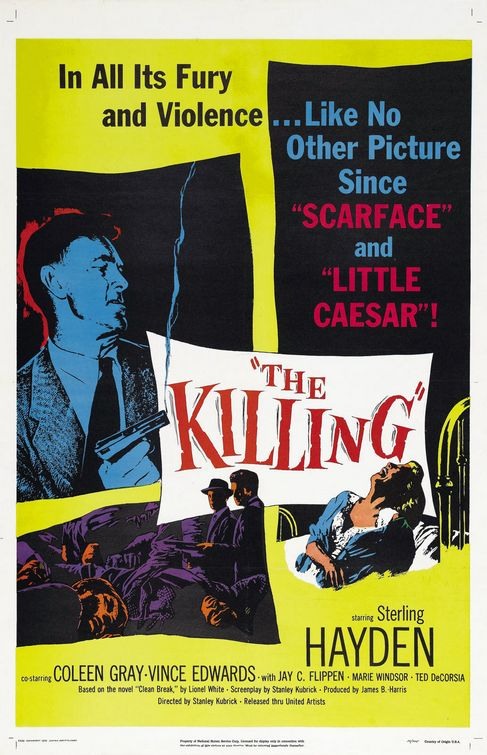
Spoiler-free review.
The film's tension comes from knowing that every detail is being carefully set up for a single, inevitable failure. Sterling Hayden plays a man who believes he has everything under control, even as the plan unravels around him. His calm demeanor contrasts with the chaos of the heist itself, creating a subtle irony in his confidence.
The direction keeps scenes tight and focused, emphasizing the weight of each decision made in advance. Each character's role feels essential, but their personal stakes remain underexplored. The pacing is deliberate, allowing the audience to absorb the plan's complexity without rushing toward its collapse.
Coleen Gray and Marie Windsor bring quiet desperation to their roles as wives caught in a man's obsession with control. Their performances add emotional depth to what could have been a purely mechanical exercise in planning. The dialogue is sparse but purposeful, revealing character motivations through understated exchanges.
The film unfolds with elegance, avoiding dramatic reveals or twists. However, the emotional distance between the audience and the characters can feel like a barrier to full investment. Despite this, Kubrick's direction keeps the heist gripping, even if it's emotionally restrained.
1956 · English. Film details · Poster source · Artwork © its respective rights holders.
The Killing balances meticulous planning with emotional detachment, but its cold structure risks distancing the audience from its characters' fates.
— Desly