The Haunting — A house that resists understanding
The Haunting balances eerie tension with emotional restraint, but its slow pacing occasionally softens the impact of its unsettling ideas.
The Haunting balances eerie tension with emotional restraint, but its slow pacing occasionally softens the impact of its unsettling ideas.
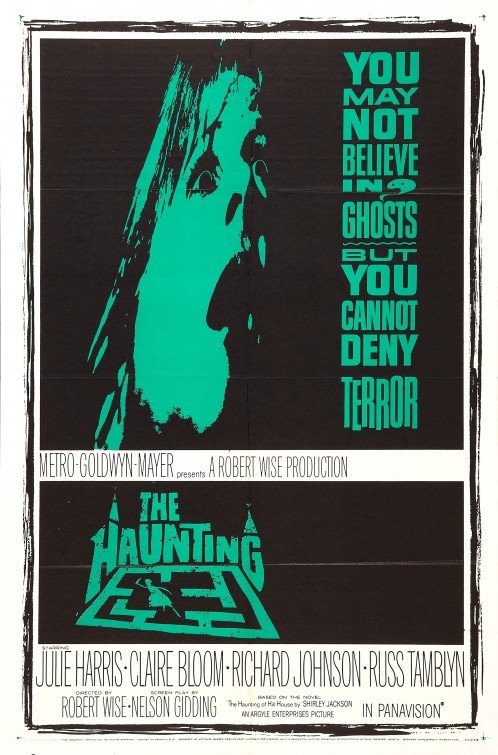
Spoiler-free review.
The film explores a group's uneasy stay in a house that defies explanation, creating a mood of persistent unease. Each character carries their own fears and secrets, making the setting feel like a mirror for their inner turmoil. The script relies on subtle cues rather than explicit horror tropes to build its tension.
The camera lingers on empty hallways and dimly lit rooms, emphasizing the characters' isolation. Long stretches of quiet dialogue let the psychological weight of the situation settle. This approach leans more into psychological unease than outright scares, which might underplay the supernatural elements.
Julie Harris conveys a fragile resolve that anchors the film's emotional core. Claire Bloom and Russ Tamblyn bring a tense energy to their roles, often hinting at deeper conflicts. The dialogue is sparse but deliberate, with pauses and hesitations that reflect the characters' uncertainty.
The slow pace may test patience, especially for viewers expecting more traditional horror beats. But this measured approach lets the atmosphere build gradually without relying on jump scares. The Haunting works best as a psychological exploration of fear rather than a conventional ghost story.
1963 · English. Film details · Poster source · Artwork © its respective rights holders.
The Haunting balances eerie tension with emotional restraint, but its slow pacing occasionally softens the impact of its unsettling ideas.
— Desly