The Friends of Eddie Coyle — A tense, weary atmosphere hangs over every exchange
The film's slow-burn tension and naturalistic dialogue elevate it beyond typical crime fare. The pacing occasionally lags but never loses its emotional core.
The film's slow-burn tension and naturalistic dialogue elevate it beyond typical crime fare. The pacing occasionally lags but never loses its emotional core.
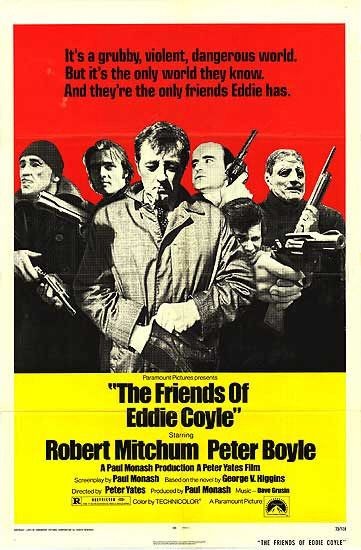
Spoiler-free review.
Eddie Coyle's desperation is felt in the pauses between his conversations with criminals and cops alike. The script avoids melodrama by focusing on the weight of choices made under pressure. Each character's self-interest creates a subtle, layered conflict that unfolds naturally.
The camera stays still, letting the dialogue hold the tension. Long pauses show how worn out and suspicious the characters are. There's no big action scene to take attention away from the mental struggles at play.
Robert Mitchum brings a quiet authority that contrasts with his younger co-stars' nervous energy. Peter Boyle's performance is understated, allowing his character's motives to remain ambiguous yet believable. The dialogue feels lived-in, avoiding clichés common in crime films of the era.
The slow pace might turn some people off who want more obvious drama. But this careful approach highlights the moral confusion and personal failures. The sadness of betrayal and regret comes through without needing to be spelled out
1973 · English. Film details · Poster source · Artwork © its respective rights holders.
The film's slow-burn tension and naturalistic dialogue elevate it beyond typical crime fare. The pacing occasionally lags but never loses its emotional core.
— Desly