The Big Heat — A cop's moral struggle against corruption
The film balances gritty realism with emotional depth, but its pacing occasionally softens the tension of its own themes.
The film balances gritty realism with emotional depth, but its pacing occasionally softens the tension of its own themes.
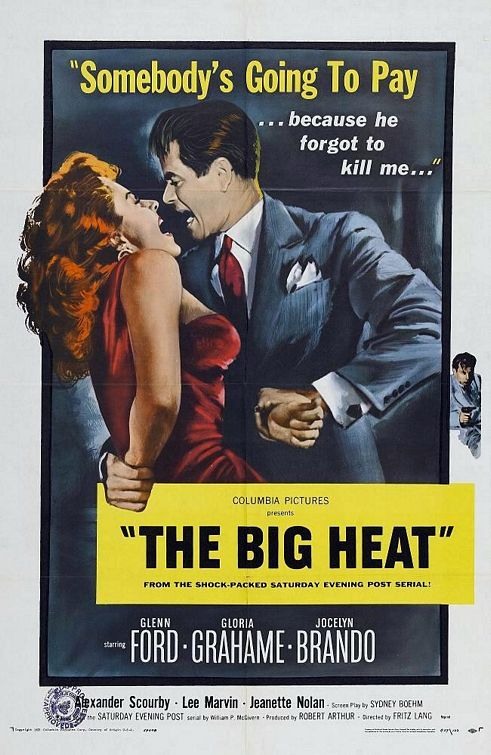
Spoiler-free review.
Glenn Ford’s portrayal carries a weight that makes his internal conflict feel urgent and personal. His character’s frustration with a broken system is never just a plot device—it’s a lived experience. Gloria Grahame adds layers to her role, making her relationship with the protagonist both tense and emotionally complex.
The crime syndicate feels like an unstoppable force, not just a group of bad guys to beat. The dialogue sounds real, even when talking about dark topics like corruption and violence. Fritz Lang keeps the tone serious without going over the top with drama or symbols.
The noir lighting and cityscapes reinforce the sense of entrapment and inevitability. There is a moment where the emotional stakes seem to pause for exposition, slightly breaking the rhythm. Jocelyn Brando’s performance brings rawness to her role, adding texture to the film’s moral landscape.
The music and sound help set the mood without getting in the way of what's being said or shown. The message is clear, but the film can feel a bit heavy-handed at times. Its strength is showing how a broken system can corrupt not only criminals but also the people trying to stop them.
1953 · English. Film details · Poster source · Artwork © its respective rights holders.
The film balances gritty realism with emotional depth, but its pacing occasionally softens the tension of its own themes.
— Desly