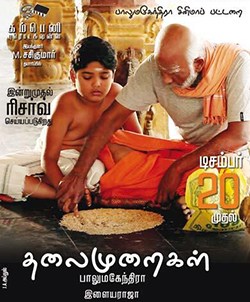
Spoiler-free review.
The film examines how familial bonds shift with time, focusing on the tensions between past and present values. It centers on the interplay of generational differences within one household, exploring how personal ambitions and cultural expectations create friction.
The tone is contemplative, with an atmosphere that balances melancholy and hope. The narrative unfolds with a steady rhythm, allowing moments of quiet introspection to highlight the emotional stakes without overemphasizing conflict.
Master Karthik and Mahendra deliver performances that anchor the film's emotional core. Their portrayals capture the subtleties of familial duty and personal yearning, grounding the drama in authentic, nuanced interactions that reflect the characters' internal struggles.
Balu Mahendra’s direction emphasizes the emotional undercurrents of dialogue and silence alike. His writing weaves the central relationships with care, ensuring each character's perspective feels integral to the story's progression without unnecessary embellishment.
The pacing is measured, allowing the audience to absorb the emotional layers of each scene. While some may find the deliberate tempo slow, it aligns with the film's thematic focus on reflection and familial legacy.
Thalaimuraigal is a watch for those drawn to intimate family dramas that explore cultural identity. Its thoughtful approach to generational dynamics makes it a compelling, if understated, addition to Balu Mahendra’s body of work.
2013 · Tamil. Film details · Film details · Poster source · Artwork © its respective rights holders.
8/10
My verdictThalaimuraigal explores the evolving dynamics of a Tamil household across generations. Balu Mahendra's direction focuses on the emotional and relational shifts among the central cast, capturing the weight of tradition and change.
— Desly