Strangers on a Train — A deal made in shadows
The film builds tension through its moral ambiguity and the quiet desperation of its characters. Its pacing is taut but never overstated.
The film builds tension through its moral ambiguity and the quiet desperation of its characters. Its pacing is taut but never overstated.
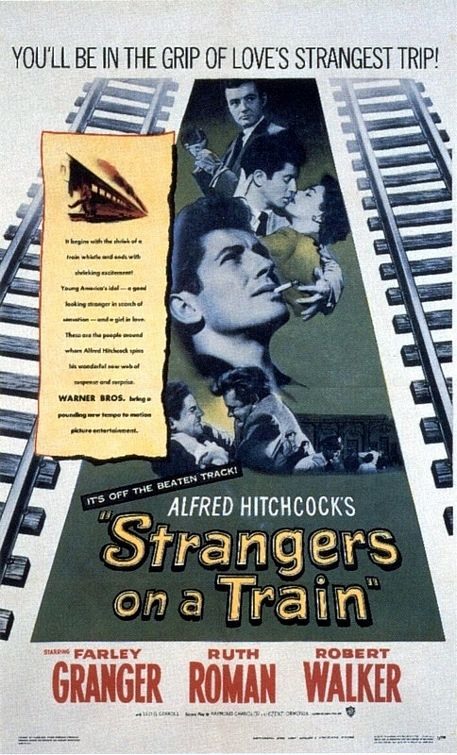
Spoiler-free review.
Two strangers agree to swap murders, setting off a chain of events that neither can control or escape. Their agreement relies on anonymity, but the weight of their choices becomes impossible to ignore. The film's structure ensures that every character feels trapped by their own decisions.
Hitchcock keeps the audience in the dark with the characters, avoiding melodrama. The dialogue is minimal but packed with unspoken tension and guilt. The film focuses on small actions, making the moral choices feel real and personal.
Farley Granger plays his role with a calm that hides deep unease, making him both sympathetic and unsettling. Robert Walker’s performance is especially chilling, balancing charm with menace in every line. Ruth Roman carries the emotional burden of the film without ever becoming a passive figure.
The suspense comes from the film's own rules, not from shocks or flashy scenes. Sometimes the moral questions feel more like a puzzle than an emotional experience. But the real strength is how it makes the audience feel involved in the characters' downfall.
1951 · English. Film details · Poster source · Artwork © its respective rights holders.
The film builds tension through its moral ambiguity and the quiet desperation of its characters. Its pacing is taut but never overstated.
— Desly