Rope — A crime without a body
The film's tension arises from what is not said, and how the audience is forced to read between lines. The performances keep the moral stakes alive despite the sparse action.
The film's tension arises from what is not said, and how the audience is forced to read between lines. The performances keep the moral stakes alive despite the sparse action.
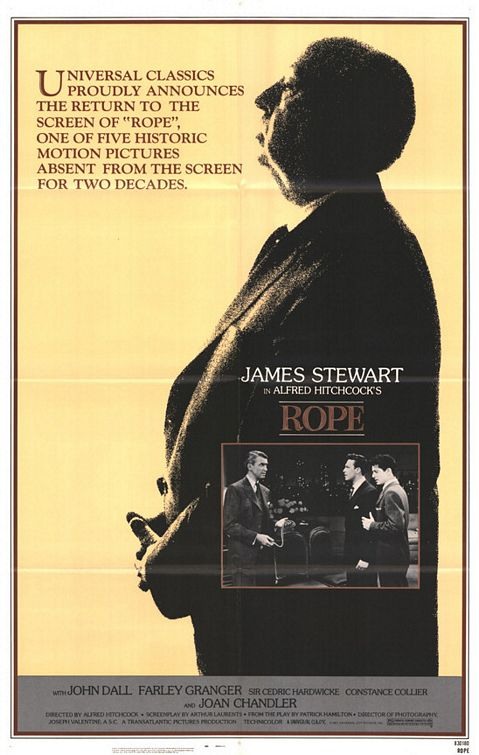
Spoiler-free review.
Rope unfolds as a conversation between two men who have committed murder but are trying to appear composed and in control. The absence of a corpse or police presence shifts the focus to the psychological pressure within the group. Alfred Hitchcock builds suspense through what is left unsaid rather than through traditional thriller tropes.
The film moves slowly, with long conversations that might test your patience but also keep you involved. James Stewart plays his guilt carefully, without giving it away outright. Farley Granger and John Dall show the smugness and shaky confidence of men who think they're untouchable.
The dialogue often feels rehearsed, as if the characters are performing their own escape from consequences. This creates a tension between authenticity and artifice that mirrors the film's themes. There is a slight imbalance in how much each character is allowed to reveal about their guilt.
The film's best quality is how much it holds back. Some scenes feel too talky and slow, but the characters' moral dilemmas are still gripping enough to keep you watching.
1948 · English. Film details · Poster source · Artwork © its respective rights holders.
The film's tension arises from what is not said, and how the audience is forced to read between lines. The performances keep the moral stakes alive despite the sparse action.
— Desly