Point Blank — Lee Marvin's brooding presence anchors the film
The film balances moral ambiguity with a taut narrative, though its pacing falters in quieter moments. Marvin’s performance remains its most consistent strength.
The film balances moral ambiguity with a taut narrative, though its pacing falters in quieter moments. Marvin’s performance remains its most consistent strength.
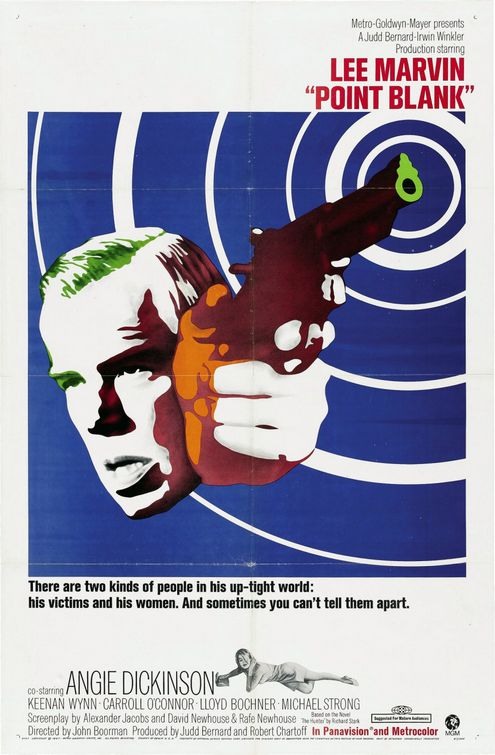
Spoiler-free review.
Marvin plays a man seeking revenge for his wife’s murder, but his motives remain emotionally distant, complicating the audience's investment. The script gives him few lines that reveal inner conflict, leaving much to his physicality and measured delivery. His co-stars deliver solid performances, but their roles often feel secondary to Marvin's presence.
The film moves quickly through its plot beats, but some scene transitions lose the urgency of earlier parts. There’s a deliberate slowness in certain moments that breaks the tension built by the action. Still, the direction keeps the story focused on Marvin’s character without over-explaining his choices.
Angie Dickinson portrays his wife with emotional restraint, but her role is limited to memory and backstory. Her scenes are brief but impactful, suggesting a deeper tragedy beneath the surface. The dialogue often feels clipped, as if designed to reflect the urgency of the protagonist’s mission rather than character development.
There is an occasional stiffness in the performances that makes emotional stakes feel less immediate. This is especially true during moments meant to convey grief or regret, which are underdeveloped compared to the action sequences. Still, Marvin’s grounded performance and the film’s sharp pacing ensure it remains a compelling, if uneven, entry in the crime genre.
1967 · English. Film details · Film details · Poster source · Artwork © its respective rights holders.
The film balances moral ambiguity with a taut narrative, though its pacing falters in quieter moments. Marvin’s performance remains its most consistent strength.
— Desly