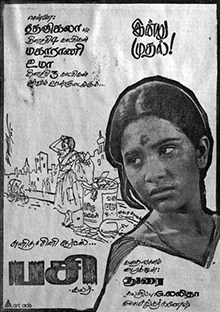
Spoiler-free review.
The central relationship in Pasi is built on unspoken tensions and emotional stakes. The film examines how personal needs and desires can strain even the closest bonds, revealing a complex interplay of love, hunger, and longing.
The tone shifts from quiet introspection to heightened emotion as the characters confront their circumstances. The atmosphere is tense yet intimate, creating a space where vulnerability and resilience coexist without resolution.
Shoba, Vijayan, and Delhi Ganesh deliver performances that anchor the drama in authenticity. Their portrayals bring nuance to the central relationship, making its conflicts feel immediate and real without relying on exaggerated gestures or dialogue.
Durai’s direction and writing focus on the emotional core of the story, emphasizing the relationships over external spectacle. The narrative choices reveal character dynamics through subtle exchanges rather than overt exposition or action.
The pacing allows for moments of reflection, giving the audience time to absorb the emotional weight of the characters’ decisions. While some scenes may linger longer than necessary, the overall rhythm supports the film’s introspective nature.
Pasi is a watch for those drawn to intimate dramas that explore personal connections. Its performances and direction create a compelling, if quiet, experience that lingers in the mind long after viewing.
1979 · Tamil. Film details · Film details · Poster source · Artwork © its respective rights holders.
8/10
My verdictPasi, directed by Durai, explores the emotional ties between individuals through a dramatic narrative that centers on its leads. Shoba, Vijayan, and Delhi Ganesh bring depth to their roles, anchoring the film in real human conflict.
— Desly