Spoiler-free review.
Paruthiveeran examines how a person is molded by what others expect them to be. The film's focus lies in the pressure of identity within a community. The relationship between Paruthiveeran and his lover forms the story’s emotional core. Their bond is tested not just by love but by societal demands placed upon him.
Ameer structures the narrative around these tensions, ensuring that the personal conflicts reflect broader social expectations without overreaching into melodrama. The writing makes clear that heroism is often tied to fulfilling roles assigned by others rather than personal choice or desire.
Karthi's performance as Paruthiveeran is grounded in quiet strength. He portrays a man caught between duty and longing without leaning into excess sentimentality. His restraint allows the character’s internal struggle to resonate more strongly than any external action could achieve.
Priyamani brings a compelling presence as his love interest. Her role is defined not just by romance but by the weight of her own choices within the community. The film avoids reducing their relationship to mere conflict, instead showing how their individual dreams are shaped by shared responsibilities.
Ameer balances the romantic elements with the social pressures without letting either dominate the other. The pacing ensures neither feels rushed nor overstayed. The emotional beats are allowed space to breathe, giving the audience time to absorb the stakes without relying on spectacle.
What makes Paruthiveeran so compelling is its refusal to simplify the hero into a symbol of action alone. It offers a more complex vision of duty and love. Karthi and Priyamani's chemistry underscores the film’s message about identity, making the personal struggles feel universally relatable.
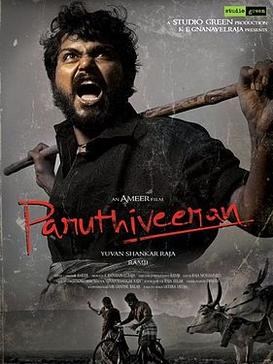
2007 · Tamil. Film details · Film details · Poster source · Artwork © its respective rights holders.
8/10
My verdictParuthiveeran explores the tension between personal desire and communal expectation, with Karthi and Priyamani anchoring a tale of love, duty and identity. Ameer's direction keeps the emotional stakes central.
— Desly