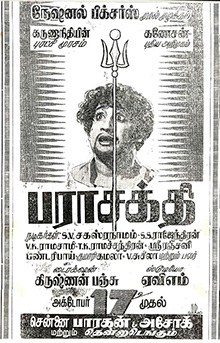
Spoiler-free review.
The film's focus is on how a family's identity crumbles when forced to confront its own contradictions. The actors bring this emotional weight without embellishment. Krishnan–Panju's direction keeps the drama rooted in lived experience, avoiding melodrama even as the conflicts escalate dramatically.
Sivaji Ganesan's debut performance captures the internal conflict of a man caught between duty and desire, making his choices feel inevitable yet tragic. His co-star S. S. Rajendran matches him with a presence that is both commanding and vulnerable, adding depth to their shared struggles.
The film's strength lies in how it builds tension through dialogue rather than action, letting the characters' words carry the weight of their dilemmas. This approach allows the audience to sit with the discomfort of the situation without being overwhelmed by external spectacle.
The writing gives each character a distinct voice, ensuring that their conflicts are not just personal but also reflective of societal shifts. This layering of individual and collective struggle makes the drama feel urgent and relevant even decades later.
Despite its controversies, the film remains compelling due to its refusal to simplify moral or cultural conflicts into easy resolutions. The actors' performances ensure that the story's weight is felt in every exchange, making the stakes clear without needing to spell them out.
Parasakthi succeeds because it treats its characters as fully realized people rather than symbols of a larger argument. The result is a film that lingers not just for its bold themes but for the authenticity of its human moments.
1952 · Tamil. Film details · Film details · Poster source · Artwork © its respective rights holders.
8/10
My verdictParasakthi explores the tension between tradition and change through a Tamil family's struggles during wartime. Sivaji Ganesan and S. S. Rajendran anchor the drama with performances that feel deeply personal.
— Desly