Paradesi — A historical drama exploring exploitation and survival
Paradesi, directed by Bala, explores the harsh realities of bonded labor during the British Raj through a compelling narrative set in a tea plantation.
Paradesi, directed by Bala, explores the harsh realities of bonded labor during the British Raj through a compelling narrative set in a tea plantation.
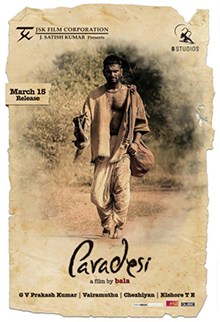
Spoiler-free review.
The film centers on an unemployed villager drawn into a dangerous cycle of forced labor at a tea plantation. The central theme revolves around the exploitation of the vulnerable and the moral cost of survival under oppressive systems.
The tone is somber and intense, capturing the grim reality of life under tyrannical rule. The atmosphere shifts between hope and despair, reflecting the protagonist’s internal struggle and the oppressive environment surrounding him.
Atharvaa delivers a performance that conveys the protagonist's vulnerability and resilience, while Vedhika and Dhansika bring depth to their roles as key figures in his journey. Their portrayals add emotional weight to the unfolding drama.
Bala’s direction emphasizes the moral dilemmas faced by the characters, using narrative choices that highlight the exploitation and human cost of colonial-era labor systems. The writing is grounded in its historical setting and emotional stakes.
The pacing builds tension steadily, aligning with the film’s themes of oppression and resistance. Viewer expectations are met through a focused narrative that avoids unnecessary embellishment or deviation from its core message.
Paradesi is a watch for those interested in historical dramas that explore social injustice. Its performances and direction create an impactful portrayal of survival against overwhelming odds.
2013 · Tamil. Film details · Film details · Poster source · Artwork © its respective rights holders.
Paradesi, directed by Bala, explores the harsh realities of bonded labor during the British Raj through a compelling narrative set in a tea plantation.
— Desly