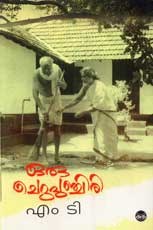
Spoiler-free review.
The film's tension lies in what remains unsaid between two people, shaped by a world that demands conformity over connection. The stakes are not loud but deeply felt. M. T. Vasudevan Nair builds the drama around a smile—its presence and absence—that becomes a symbol of unspoken conflict and restraint.
The performances avoid melodrama, instead focusing on the subtle shifts in body language and tone that reveal inner turmoil without explicit confession. Unnikrishnan and Sreenivasan bring a quiet intensity to their roles, allowing the audience to sit with the discomfort of their characters’ choices rather than dictate them.
Their chemistry is restrained but deliberate, creating a believable tension between desire and duty that lingers in every glance and pause. Nair’s direction ensures that the emotional landscape remains intimate, even as the broader social pressures loom over the protagonists like an unspoken rule.
The film never justifies its characters’ decisions but invites reflection on how society shapes personal happiness into something compromised. Its pacing allows moments of stillness to carry weight, making the emotional beats feel earned rather than forced.
The central conflict is not about grand betrayals but about the erosion of individuality within a culture that values appearance over authenticity. This approach makes the film’s message more unsettling—it does not offer easy resolutions but lingers in the unresolved tension between two people.
Oru Cheru Punchiri succeeds by making its quiet tragedy feel inevitable, rooted in the choices its characters have little power to change. Unnikrishnan and Sreenivasan ensure that the emotional core remains accessible, even as the film questions what it means to love in a world that demands silence.
2000 · Malayalam. Film details · Film details · Poster source · Artwork © its respective rights holders.
8/10
My verdictOru Cheru Punchiri explores the quiet tensions between love and societal expectations, with Oduvil Unnikrishnan and Nirmala Sreenivasan anchoring its emotional core. M. T. Vasudevan Nair frames personal longing within communal judgment.
— Desly