Spoiler-free review.
The film's power lies in its ability to convey deep emotional turmoil through minimal dialogue and deliberate pauses. The weight of silence becomes a character in itself. Adoor Gopalakrishnan frames the narrative around a man’s internal struggle, using visual restraint to amplify the emotional stakes without over-explaining the conflict.
Oduvil Unnikrishnan carries the film with a performance that is restrained yet deeply felt. His presence commands attention even when words are absent. His co-stars provide subtle counterpoints, their reactions adding layers to the central tension without overshadowing the lead's burden.
The pacing is deliberate, allowing moments of reflection to breathe and build tension in the absence of overt action. This slow-burn approach can test patience, but it also rewards those willing to sit with the discomfort of the characters’ unspoken truths.
The emotional conflict is made convincing by the actors' ability to suggest entire histories through glances and gestures rather than exposition. Unnikrishnan’s portrayal avoids melodrama, instead grounding the character in quiet dignity that makes his struggles more relatable.
Supporting performances add texture without distraction, ensuring the focus remains on the central relationship and its complexities. Gopalakrishnan's direction ensures that every pause feels purposeful, shaping a narrative where meaning lingers between lines rather than being stated outright.
The film invites reflection on how silence can be as powerful as speech, particularly in familial relationships fraught with unspoken grief. Though its approach may not appeal to all, Nizhalkuthu’s commitment to emotional honesty through restraint is both its challenge and its greatest strength.
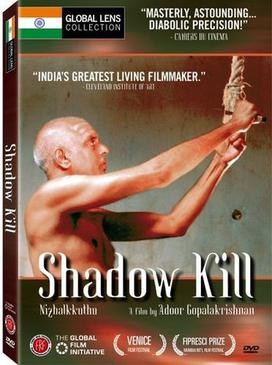
2002 · Malayalam. Film details · Film details · Poster source · Artwork © its respective rights holders.
7/10
My verdictNizhalkuthu unfolds in a quiet, introspective rhythm, with Oduvil Unnikrishnan and his cast navigating the unspoken tensions of a fractured family. Adoor Gopalakrishnan’s direction leans into stillness as a form of expression.
— Desly