Moon — A workplace a long way home
Moon gives its science fiction the texture of a lonely working life. Sam Rockwell carries the film with enough weariness and personality to make its questions about identity matter.
Moon gives its science fiction the texture of a lonely working life. Sam Rockwell carries the film with enough weariness and personality to make its questions about identity matter.
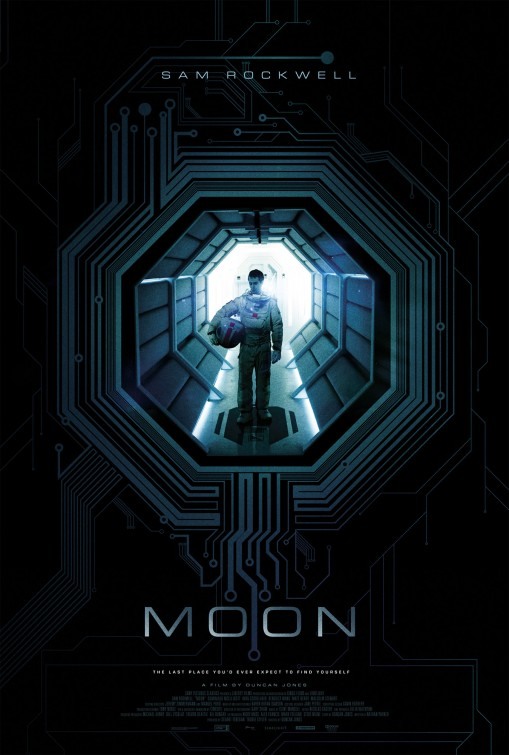
Spoiler-free review.
Sam Rockwell makes the lunar base in Moon feel like a workplace somebody has spent too long in. His performance has irritation and boredom alongside loneliness. That mix matters. It gives the story a recognisable human routine before asking the viewer to think about anything more abstract. Sam is interesting to watch simply getting through the day.
Duncan Jones uses the limited setting well. The base feels practical, which keeps the film from being about futuristic design. There's a job to do, and a system that expects it to be done. That ordinary demand makes the isolation more convincing than a speech about being far from home would be.
The dialogue has room for dry humour as well as unease. Rockwell can make a complaint reveal something about the person making it. Those touches keep the film from becoming too solemn about its ideas. The science fiction remains connected to somebody who wants reassurance and a manageable explanation of what is happening.
The writing sometimes explains things too much, and the modest scale can make transitions feel sudden. But these aren't big issues. The central performance keeps the film together. Its best quality is how it makes a question about identity feel like a real problem for a person.
2009 · English. Film details · Film details · Poster source · Artwork © its respective rights holders.
Moon gives its science fiction the texture of a lonely working life. Sam Rockwell carries the film with enough weariness and personality to make its questions about identity matter.
— Desly