Midsommar — A festival that becomes a trap
The film uses shocking visuals to create unease, but the emotional parts don’t always feel balanced. Florence Pugh carries the story even when it stumbles.
The film uses shocking visuals to create unease, but the emotional parts don’t always feel balanced. Florence Pugh carries the story even when it stumbles.
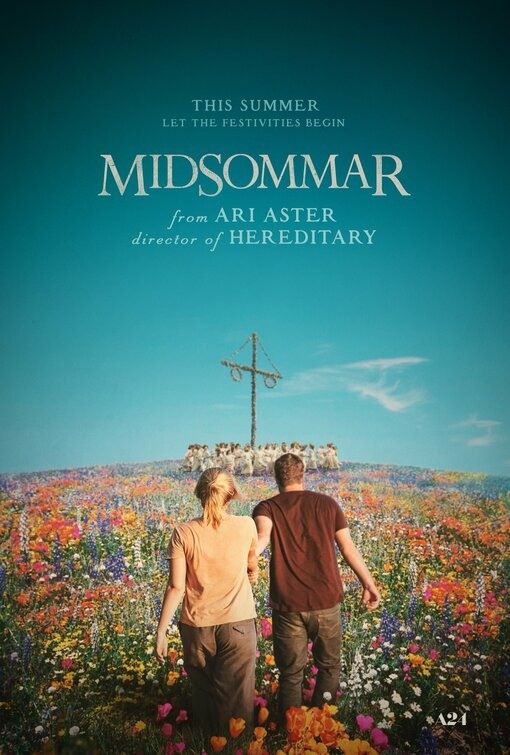
Spoiler-free review.
The main conflict is a relationship breaking down during a strange tradition. The setting adds tension but doesn’t fully explain why the characters act the way they do. Ari Aster uses location and sound to build atmosphere, but the horror feels more about the environment than the characters. The cult’s rituals are creepy but don’t dig deep into the characters’ minds.
The film moves slowly at times, then suddenly turns violent. This contrast can work, but it messes with the story’s emotional flow. Florence Pugh gives a strong performance, showing both fear and anger without overdoing it. Her character’s fall makes sense but doesn’t always feel satisfying.
Jack Reynor plays his part quietly, but he gets lost in the film’s more extreme parts. His reactions feel real but aren’t explored much. The dialogue leans on explaining things rather than showing real emotions. Some conversations feel forced in trying to explain the cult’s reasons.
The film’s focus on visuals sometimes makes the emotional parts feel weaker. The horror works, but the human cost doesn’t feel as important as it should. Despite these issues, Midsommar is a visually strong and thematically bold film in the folk horror genre, with solid acting and a fresh idea.
2019 · English. Film details · Poster source · Artwork © its respective rights holders.
The film uses shocking visuals to create unease, but the emotional parts don’t always feel balanced. Florence Pugh carries the story even when it stumbles.
— Desly