Spoiler-free review.
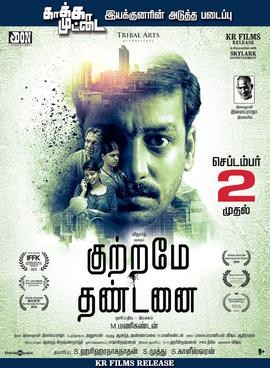
The film centers on a man with tunnel vision who cannot afford eye surgery, thrusting him into a moral quagmire after witnessing a murder. His inability to see clearly mirrors his internal struggle with truth and complicity, highlighting the tension between personal survival and ethical responsibility.
The tone is taut and brooding, with an atmosphere thickened by uncertainty and moral ambiguity. The narrative shifts between moments of quiet introspection and rising dread, emphasizing the psychological weight borne by the protagonist as he navigates dangerous choices.
Vidharth delivers a performance as the blind man, conveying vulnerability and resolve without dialogue. Pooja Devariya and Aishwarya Rajesh add depth to their roles, their interactions with him shaping his internal conflict. Their chemistry underscores the emotional stakes without relying on overt drama.
M. Manikandan’s direction leans into the psychological tension of the source material, using sparse dialogue and focused performances to drive the narrative. The writing, by Manikandan and Anand Annamalai, emphasizes moral complexity, allowing the characters’ choices to speak for themselves rather than through exposition.
The pacing is deliberate, building suspense through quiet moments and calculated reveals. While some scenes linger longer than necessary, the film maintains a steady rhythm that aligns with its themes of moral decay and personal reckoning.
Kuttrame Thandanai is a watch for fans of cerebral thrillers that prioritize character depth over action. Its exploration of guilt and consequence offers a fresh take on classic literature, anchored by strong performances and thoughtful direction.
2016 · Tamil. Film details · Film details · Poster source · Artwork © its respective rights holders.
7/10
My verdictKuttrame Thandanai explores the psychological turmoil of a man caught between guilt and greed. Based on Dostoevsky’s classic, it follows his descent into ethical chaos as he grapples with a murder he witnessed.
— Desly