Double Indemnity — A crime that cannot be undone
The script's tension comes from the impossibility of backing away from a decision. The actors make moral decay feel inevitable rather than dramatic.
The script's tension comes from the impossibility of backing away from a decision. The actors make moral decay feel inevitable rather than dramatic.
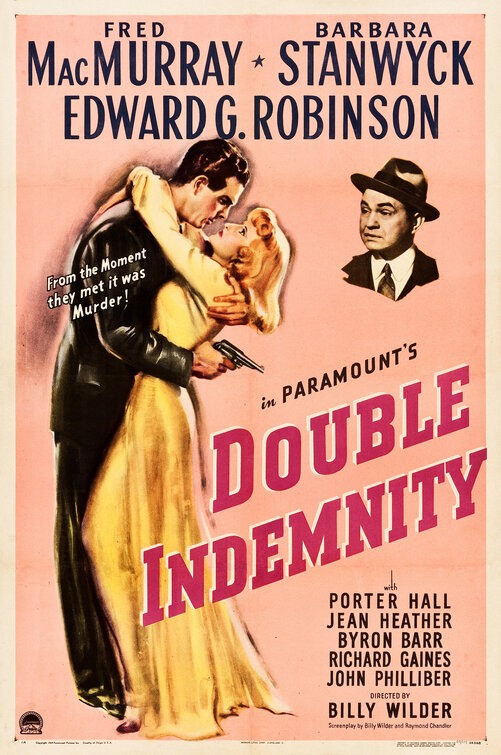
Spoiler-free review.
Double Indemnity begins with a deal that can never be reversed, setting up the central conflict between desire and consequence. The dialogue is sharp enough to suggest that the characters know their choices are doomed but act anyway. Fred MacMurray's performance captures the quiet desperation of someone who has already crossed a line he cannot return from.
Barbara Stanwyck's character is equally trapped, her ambition as much a prison as it is a motive. Edward G. Robinson delivers lines with a weight that suggests he has seen this path before and knows its cost. The pacing keeps the tension high without rushing toward resolution, letting the consequences unfold naturally.
The film avoids melodrama by grounding its characters in real emotional stakes rather than plot gimmicks. Each character's motivation is clear but flawed, making their choices feel tragically human rather than simply immoral. The dialogue often hides as much as it reveals, adding to the uneasy atmosphere of the film.
There are no flashy set pieces or overwrought scenes—only the slow build of a moral collapse. The performances avoid histrionics, keeping the focus on the emotional weight of the characters' choices. This restraint makes the tragedy feel more immediate and personal rather than just a genre exercise.
1944 · English. Film details · Poster source · Artwork © its respective rights holders.
The script's tension comes from the impossibility of backing away from a decision. The actors make moral decay feel inevitable rather than dramatic.
— Desly