Spoiler-free review.
The film examines how duty can become a prison, especially when it is inherited rather than chosen. The characters are bound by roles they did not ask for. K. S. Sethumadhavan frames the drama around a father-son rift that feels deeply personal but also broadly symbolic of societal pressures.
Sathyan and Prem Nazeer bring a quiet intensity to their roles, making the emotional stakes feel immediate and intimate despite the story's scale. Their performances suggest that the conflict is not just about one decision but about a lifetime of unspoken expectations shaping their choices.
Sheela’s presence adds another layer to the tension, showing how different relationships can be shaped by similar forces of duty and desire. The film does not shy away from the complexity of its characters, offering no easy resolutions or villains, only people struggling with their limits.
The writing builds slowly but steadily, letting the emotional weight settle without rushing toward resolution or melodrama. The rhythm of the film allows the audience to sit with the discomfort of the situation rather than being pushed toward a quick conclusion.
The performances avoid histrionics, focusing instead on small gestures that reveal the depth of the characters’ internal struggles. This restraint makes the moments of tension more impactful when they arrive, as the groundwork has been carefully laid.
The film’s strength lies in how it connects personal dilemmas to broader social patterns without losing sight of its characters’ humanity. Sathyan and Prem Nazeer make the conflict feel like something that could happen to anyone, which is what gives the story its lasting power.
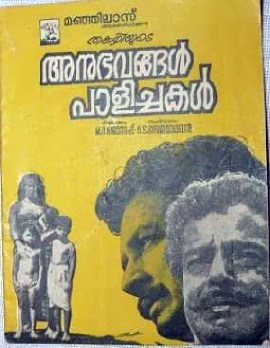
1971 · Malayalam. Film details · Poster source · Artwork © its respective rights holders.
8/10
My verdictAnubhavangal Paalichakal explores the weight of expectation through Sathyan, Prem Nazeer, and Sheela. The film balances personal stakes with social critique under K. S. Sethumadhavan’s direction.
— Desly