About Schmidt — A quiet reckoning with regret
Jack Nicholson's performance anchors the film, but its emotional weight is undercut by uneven pacing and tonal shifts that dilute the central themes.
Jack Nicholson's performance anchors the film, but its emotional weight is undercut by uneven pacing and tonal shifts that dilute the central themes.
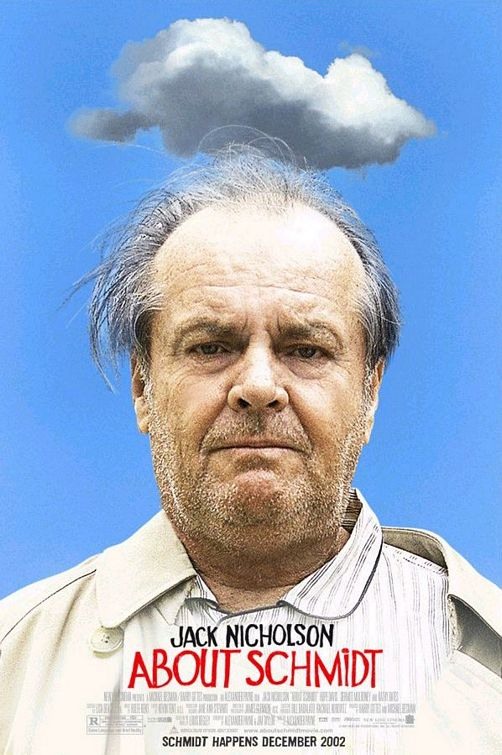
Spoiler-free review.
The film follows a retired judge dealing with his life’s failures after his wife’s death. It sets up a melancholic tone that doesn’t quite match the comedy-drama label. His journey to meet his estranged daughter drives the narrative, but the emotional stakes feel underdeveloped in key moments. Alexander Payne tries to balance humor and sorrow, but the tonal shifts between scenes often feel jarring rather than intentional.
The direction leans on long silences and awkward pauses, which sometimes enhance the mood but also stretch the film’s runtime unnecessarily. The script gives Nicholson room for reflection, but the supporting characters lack the same depth or motivation. Hope Davis portrays the daughter with sincerity, but her role is limited to a few key scenes that don’t fully justify her screen time.
Jack Nicholson delivers a nuanced performance, capturing the loneliness of a man confronting his own failures with quiet dignity. His timing and delivery suggest years of experience, making even small moments feel weighted with meaning. Kathy Bates plays the late wife with warmth, but her limited presence prevents a deeper exploration of the central relationship.
The film’s humor feels forced in places, especially when it tries to undercut the heavier themes with lightweight dialogue. There is a clear attempt at emotional resonance, but it often falls short due to pacing choices that emphasize detachment over engagement. Despite its flaws, About Schmidt remains a thoughtful, if uneven, portrayal of aging and regret, anchored by Nicholson’s performance.
2002 · English. Film details · Film details · Poster source · Artwork © its respective rights holders.
Jack Nicholson's performance anchors the film, but its emotional weight is undercut by uneven pacing and tonal shifts that dilute the central themes.
— Desly