Vertigo — James Stewart's fragility anchors the film's emotional core
The film balances obsession and identity with Hitchcock's signature tension. Stewart's performance adds depth beyond the thriller framework.
The film balances obsession and identity with Hitchcock's signature tension. Stewart's performance adds depth beyond the thriller framework.
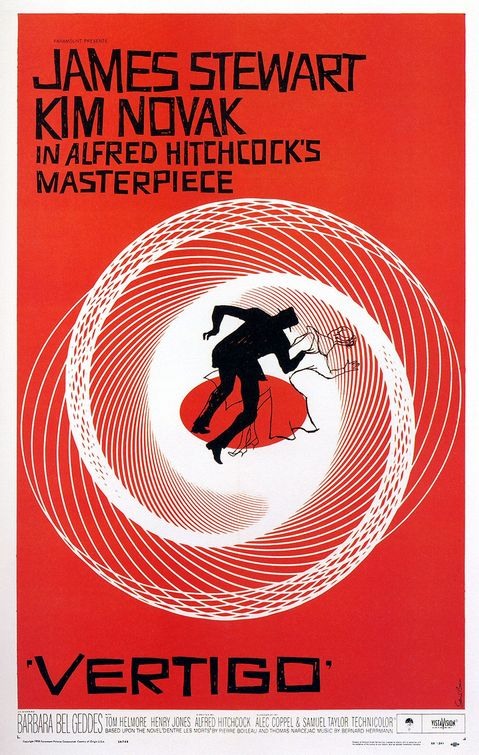
Spoiler-free review.
John "Scottie" Ferguson's fear of heights becomes a metaphor for his inability to navigate emotional truths. His fixation on Madeleine is not just a plot device but a psychological unraveling. Kim Novak brings an eerie presence that makes Scottie's obsession feel inevitable.
The film builds tension with long silences and careful camera work. Scenes of watching show how pointless it is to try to control someone else's identity. Hitchcock keeps the story grounded in Scottie's personal limits instead of going for over-the-top drama.
Stewart conveys vulnerability without melodrama, making his descent into obsession believable. Novak's performance is restrained but unsettling, hinting at a deeper psychological fracture. The dialogue often feels like a mask for unspoken anxieties and desires.
The film's structure reflects Scottie's confusion and lack of control. At times, the emotional weight feels lessened by the thriller style. But the acting and direction still leave a lasting, haunting impression that stays after the credits roll.
1958 · English. Film details · Poster source · Artwork © its respective rights holders.
The film balances obsession and identity with Hitchcock's signature tension. Stewart's performance adds depth beyond the thriller framework.
— Desly