The Night House — A house that refuses to let go
The film balances eerie atmosphere with emotional fragility, but its supernatural elements feel underdeveloped compared to the personal grief at its core.
The film balances eerie atmosphere with emotional fragility, but its supernatural elements feel underdeveloped compared to the personal grief at its core.
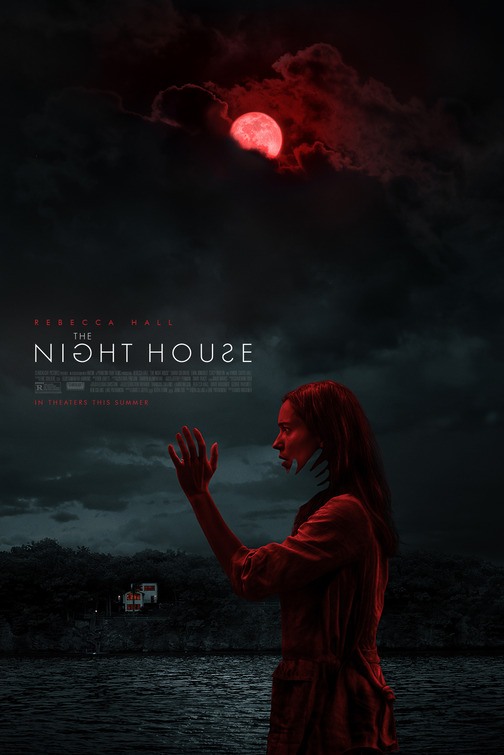
Spoiler-free review.
The central conflict is a widow's struggle to understand her husband's final work and its unsettling impact on her psyche. Her isolation is heightened by the house's uncanny presence, which seems to respond to her emotional state rather than any clear supernatural logic. The film leans into ambiguity but never fully justifies the haunting as more than a metaphor for unresolved mourning.
The film moves slowly, spending time on quiet moments that build tension without giving clear answers. This slow approach works for creating unease, but it can drag when the supernatural parts don't feel clearly defined. The visuals focus on shadows and silence, matching the main character's emotional distance from the world around her.
Rebecca Hall conveys vulnerability with subtle restraint, making her grief feel personal rather than performative. Supporting actors provide necessary tension but lack fully realized roles that could anchor the film’s supernatural framework. Dialogue often feels sparse, which suits the mood but leaves gaps in character motivations and relationships.
The film has a strong emotional heart, but the supernatural parts don't feel fully worked out or consistent. It does well as a thoughtful look at grief, but it struggles when trying to keep up a ghostly mystery. Even with its flaws, The Night House gives a moving look at loss that stays with you longer than its horror parts ever could.
2020 · English. Film details · Poster source · Artwork © its respective rights holders.
The film balances eerie atmosphere with emotional fragility, but its supernatural elements feel underdeveloped compared to the personal grief at its core.
— Desly