The Limey — Terence Stamp's weary intensity anchors the film
The Limey mixes gritty crime with personal tragedy but falters in balancing its emotional stakes with procedural beats.
The Limey mixes gritty crime with personal tragedy but falters in balancing its emotional stakes with procedural beats.
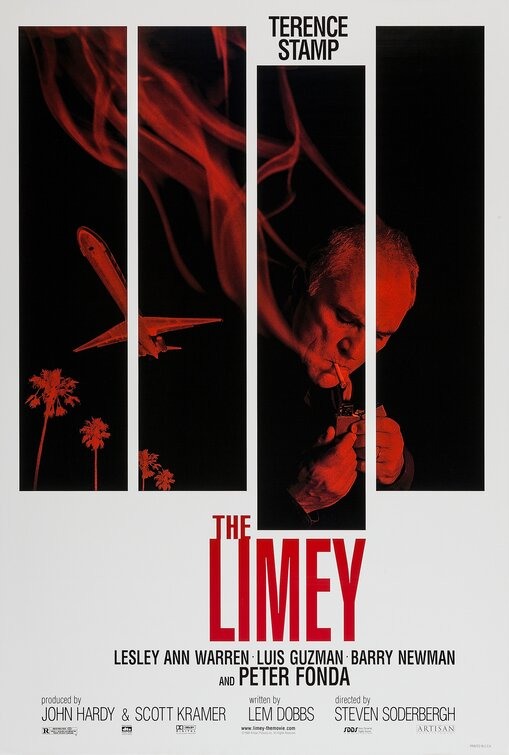
Spoiler-free review.
Terence Stamp's portrayal of a broken man searching for truth is both weary and compelling, anchoring the film's emotional core. The script leans on dialogue to reveal backstory rather than action, which risks slowing momentum in key moments. Steven Soderbergh's direction keeps the tone lean but occasionally undercuts the drama with abrupt shifts in focus.
The Limey's best part is Terence Stamp's performance, which carries the weight of unresolved grief and moral ambiguity. Lesley Ann Warren and Luis Guzmán add tension but are often overshadowed by Stamp. The film jumps between past and present, creating a fragmented story that feels more like a puzzle than a personal journey.
Dialogue is sharp but often feels disconnected from the characters' emotions, especially in quiet scenes. The pacing is uneven—some parts feel rushed, while others drag with too much exposition. The Limey tries to mix crime thriller with family drama, but it doesn't always work.
The film tries to give characters depth, but it sometimes clashes with its more stylized moments. The emotional stakes are real, but the ending feels rushed compared to the buildup. Despite its flaws, the film stays memorable because of Stamp's performance and its willingness to explore moral complexity.
1999 · English. Film details · Film details · Poster source · Artwork © its respective rights holders.
The Limey mixes gritty crime with personal tragedy but falters in balancing its emotional stakes with procedural beats.
— Desly