The King of Comedy — A darkly funny obsession with fame
The film explores how far someone will go for a moment in the spotlight, but its tone occasionally undermines its own bleakness.
The film explores how far someone will go for a moment in the spotlight, but its tone occasionally undermines its own bleakness.
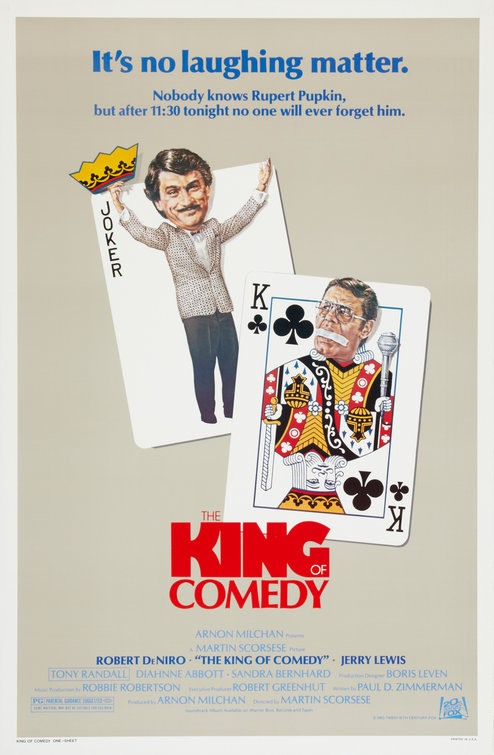
Spoiler-free review.
The central conflict revolves around a man's desperate pursuit of stardom through a dangerous connection with a comedian. De Niro’s character is both pitiable and repulsive, embodying the film’s critique of fame’s corrupting allure. Jerry Lewis plays a figure of influence who remains morally ambiguous throughout.
The dialogue leans into exaggerated humor that doesn’t always match the film’s darker themes of violence and manipulation. Sandra Bernhard’s lines are sharp and highlight the absurdity of media obsession. The pacing is uneven—some parts drag, while others move too fast to let the emotions sink in.
De Niro’s performance is intense but occasionally overwrought, especially in moments of self-pity. Lewis’s character is underdeveloped, making his moral choices feel inconsistent. Bernhard’s wit provides a necessary counterbalance to the film’s darker impulses.
The film has a strong satirical edge, but its tone and focus sometimes waver. Its critique of media culture still feels relevant, even if the story feels a bit forced in places. Despite these issues, it does capture the uneasy tension between ambition and morality.
1982 · English. Film details · Poster source · Artwork © its respective rights holders.
The film explores how far someone will go for a moment in the spotlight, but its tone occasionally undermines its own bleakness.
— Desly