The Killing Fields — A war-torn city as a character in its own right
The Killing Fields captures the brutality of war without needing to explain every detail. The film’s emotional core is its refusal to look away from suffering.
The Killing Fields captures the brutality of war without needing to explain every detail. The film’s emotional core is its refusal to look away from suffering.
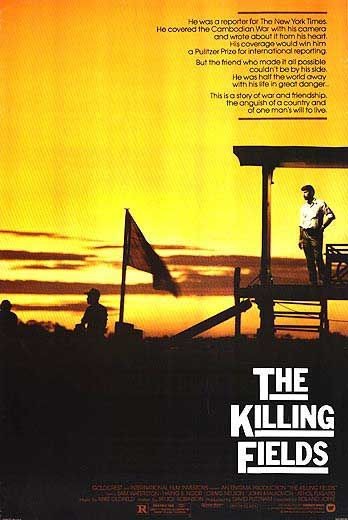
Spoiler-free review.
The central conflict revolves around survival amid chaos, where moral choices are rarely clear or kind. Characters move through a city that feels like an antagonist, shaping their fates with indifference. The film’s pacing allows moments of quiet despair without rushing toward resolution.
The film shows destruction and loss through visuals rather than explicit violence. The dialogue is minimal but heavy with meaning, carrying the weight of what's left unsaid. The tragedy unfolds slowly, matching the characters' confusion and exhaustion.
Performances are understated yet powerful, conveying trauma through silence as much as speech. The lack of named actors does not hinder the emotional impact of their roles. Each interaction feels urgent but incomplete, reinforcing the sense of entrapment.
One issue is that the film's focus on suffering can feel repetitive in how it shows despair. There are moments where the story leans too much on its grim subject without giving much relief. Still, it's a strong look at how people endure in the face of overwhelming destruction.
1984 · English. Film details · Poster source · Artwork © its respective rights holders.
The Killing Fields captures the brutality of war without needing to explain every detail. The film’s emotional core is its refusal to look away from suffering.
— Desly