The Invitation — Tension in a closed room
The Invitation mixes social awkwardness with tension, but it doesn't explore the emotions deeply enough. The surface tension is there, but the deeper feelings aren't fully developed.
The Invitation mixes social awkwardness with tension, but it doesn't explore the emotions deeply enough. The surface tension is there, but the deeper feelings aren't fully developed.
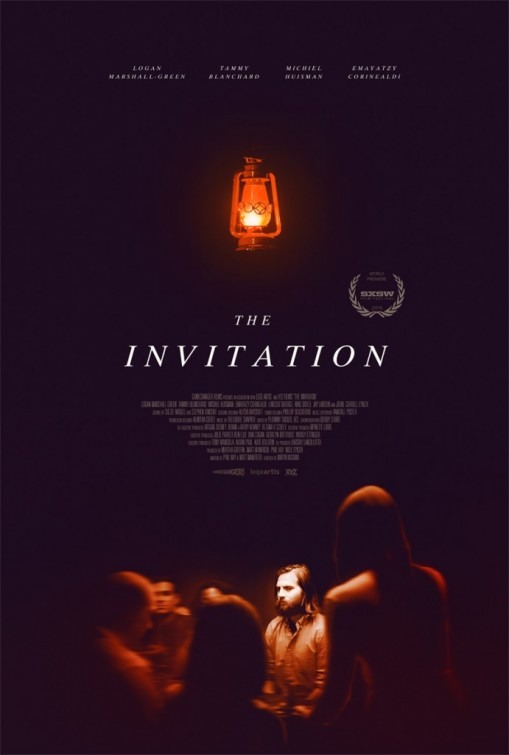
Spoiler-free review.
A group of people meet for a dinner that feels more like a test than a celebration. They're in an isolated place, and the mood is tightly controlled. Everyone has their own hidden past, but their reasons for being there aren't clear. The film relies more on mood than on explaining things clearly.
The acting is controlled, with Logan Marshall-Green leading the group's discomfort without going over the top. The dialogue is short but tense, often suggesting past conflicts without ever spelling them out.
The film moves slowly, building a sense of growing fear that never really comes to a satisfying end. The visuals focus on tight spaces and how people move, making you feel trapped.
The film's vagueness is intentional, but it makes it hard to connect emotionally. You feel the tension more than you understand it. Even with its flaws, The Invitation still manages to create a quiet, uneasy feeling that lingers, even if it doesn't fully explain its own suspense.
2015 · English. Film details · Poster source · Artwork © its respective rights holders.
The Invitation mixes social awkwardness with tension, but it doesn't explore the emotions deeply enough. The surface tension is there, but the deeper feelings aren't fully developed.
— Desly