The Game — A routine coming apart
Michael Douglas makes the loss of control convincing even when the plot stretches belief. The pleasure is in watching a carefully managed life become difficult to read.
Michael Douglas makes the loss of control convincing even when the plot stretches belief. The pleasure is in watching a carefully managed life become difficult to read.
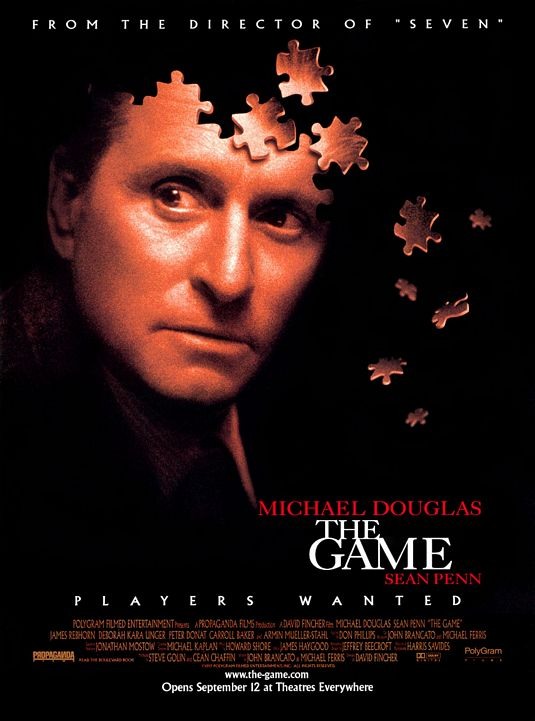
Spoiler-free review.
Michael Douglas gives The Game the right kind of stiffness. Nicholas is used to deciding the terms of an encounter, and Douglas makes even a polite exchange feel like a negotiation. Once that confidence becomes unreliable, the film has something more interesting to work with than an elaborate series of surprises.
David Fincher makes an expensive, orderly life feel unwelcoming. The tension comes from the gap between Nicholas's resources and how little reassurance they give. Money usually promises a solution, but here it can't even guarantee he understands the problem. That shift is key to the film.
The dialogue keeps people at an uncomfortable distance. An explanation may be perfectly clear and still offer no reason for trust. Douglas gives those encounters enough irritation and vulnerability to stop the uncertainty becoming abstract. The film works best when it stays close to his growing difficulty in deciding what deserves a response.
The film needs a lot of belief from the viewer. Some parts are so elaborate that their practical workings become distracting. I liked the atmosphere and Douglas's performance more than the logistics. But as a thriller about losing control over the situation, it holds up well.
1997 · English. Film details · Film details · Poster source · Artwork © its respective rights holders.
Michael Douglas makes the loss of control convincing even when the plot stretches belief. The pleasure is in watching a carefully managed life become difficult to read.
— Desly