Serpico — Al Pacino's raw intensity anchors the film
Serpico balances moral outrage with procedural tension. The pacing falters slightly during quieter moments, but the central performance remains unshakable.
Serpico balances moral outrage with procedural tension. The pacing falters slightly during quieter moments, but the central performance remains unshakable.
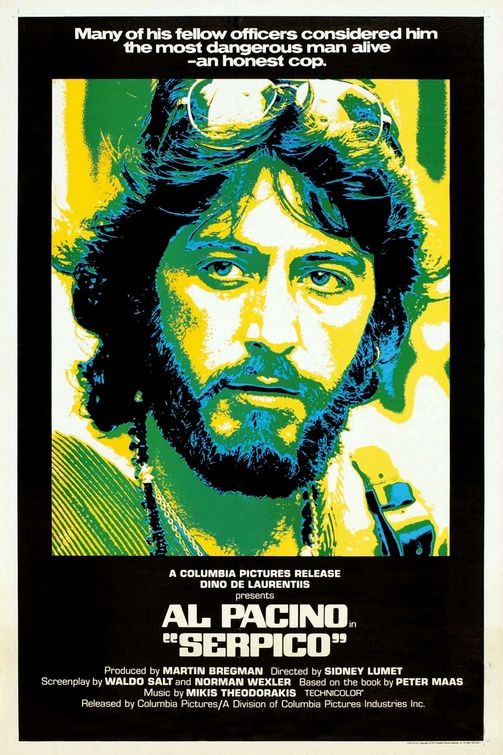
Spoiler-free review.
Frank Serpico’s conflict is portrayed as a personal battle against systemic rot rather than just a political struggle. Al Pacino embodies the character's frustration and idealism without melodrama or exaggeration. His scenes with John Randolph crackle with tension, revealing the slow erosion of trust within ranks.
The film keeps a steady rhythm, matching Serpico’s careful work to uncover corruption. Some dialogue feels too clipped, like the script is trying too hard to sound like real police talk. The director keeps things simple, letting the moral weight come through in plain settings and direct conversations.
Serpico’s isolation is shown through his relationships, not just his investigations. His interactions with colleagues reveal a man who believes in justice but struggles to be heard. The supporting cast delivers measured performances that reflect the weight of the story without overshadowing Pacino.
There are parts where the film relies on Serpico’s real-life fame instead of its own storytelling power. But this doesn’t take away from the emotional heart of the film, which stays focused on his inner struggle. The movie does a good job making a whistleblower’s experience feel real and personal.
1973 · English. Film details · Poster source · Artwork © its respective rights holders.
Serpico balances moral outrage with procedural tension. The pacing falters slightly during quieter moments, but the central performance remains unshakable.
— Desly