Psycho — the unease is in the ordinary
A roadside motel, an awkward conversation, and ordinary details that stop feeling ordinary. Hitchcock’s suspense still works beyond its famous reputation.
A roadside motel, an awkward conversation, and ordinary details that stop feeling ordinary. Hitchcock’s suspense still works beyond its famous reputation.
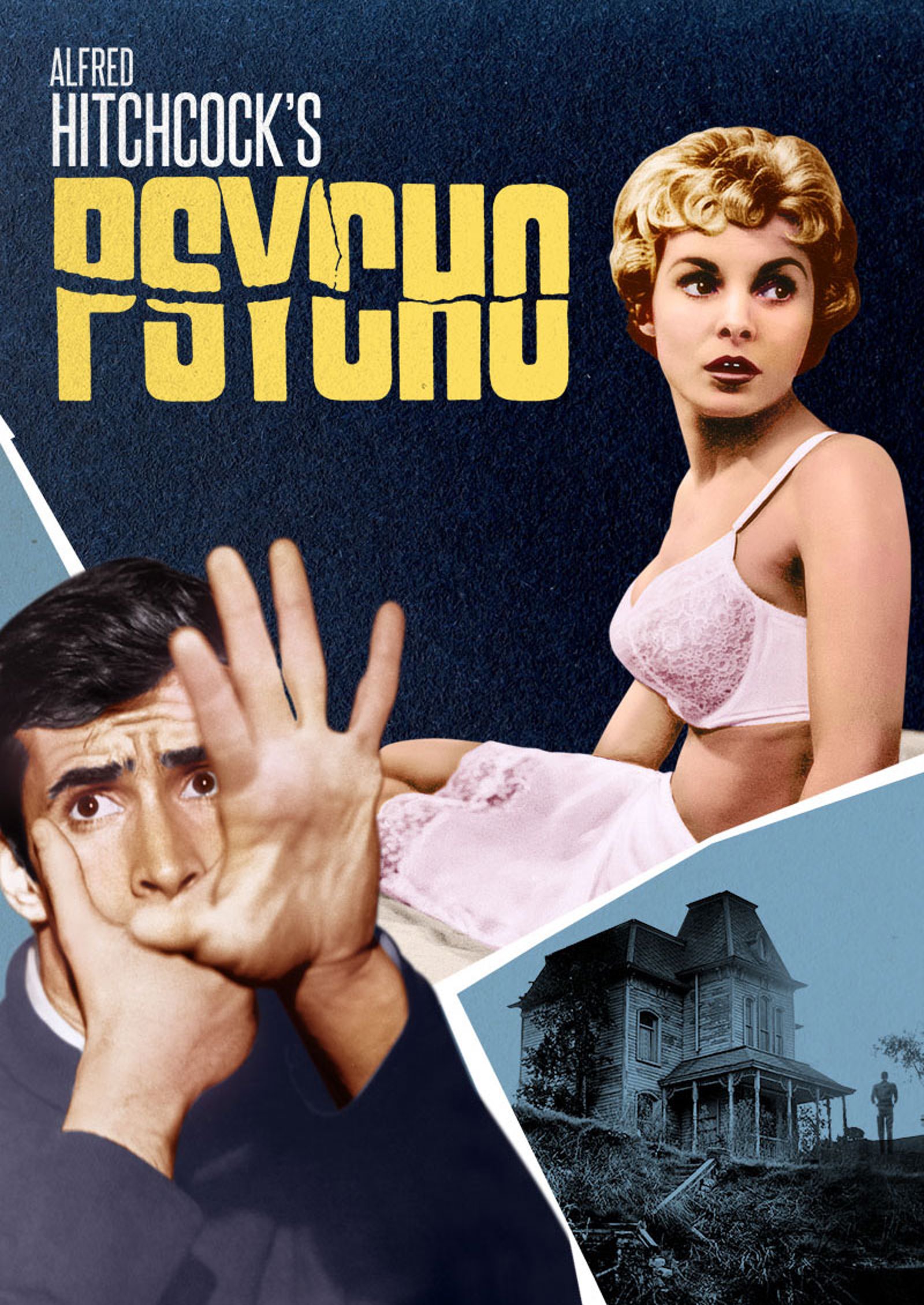
Spoiler-light review of Alfred Hitchcock's original film. The major twists are left untouched.
It is difficult to approach Psycho without bringing something you already know. The title, the music, and the motel have travelled far beyond the film itself. Yet knowing the reputation does not explain away the tension of watching it unfold.
Marion Crane is on the road after taking money that is not hers. An isolated motel offers a place to stop. That simple decision creates a setting where politeness and discomfort begin to overlap.
Anthony Perkins makes Norman Bates interesting before the film asks you to decide what to make of him. The awkwardness is not played at one obvious volume. There is courtesy, hesitation, and something harder to place.
Janet Leigh gives Marion enough interior life to make the early uncertainty involving. Watching her read a situation matters. Hitchcock allows the viewer to do the same, then makes that act of interpretation increasingly uncomfortable.
Rooms, windows, and lines of sight feel carefully chosen. The black-and-white photography gives ordinary spaces a severity that suits the story. A house above a motel can become an entire relationship before anyone has explained much.
The editing and music are forceful when they need to be, but quieter moments carry plenty of weight. Suspense comes from where attention is placed and how long it stays there. An image can feel threatening without anything visibly changing inside it.
The film's cultural familiarity can make it seem like a collection of celebrated moments waiting to happen. It works better when treated as a complete experience. The apparently smaller scenes give those moments their context.
There is an uncomfortable intimacy to the viewing position, too. The film repeatedly invites curiosity about people and spaces, then makes that curiosity feel less innocent than it first appeared.
Some of the explanation-heavy dialogue feels more tied to its era than the visual storytelling does. The psychological language is best approached as part of the film's dramatic construction, rather than treated as a modern account of mental health.
Viewers expecting the pace of a contemporary horror film may also find the setup deliberate. Its strength lies in anticipation and manipulation of attention, rather than a constant supply of shocks.
8/10. Still an effective piece of suspense, with performances and visual control that deserve attention beyond the familiar references. Avoid plot summaries if you can. Even for a widely discussed film, there is value in letting it choose when to reveal things.
Directed by Alfred Hitchcock. Psychological suspense / horror · English. Film details and official poster: Universal Pictures At Home. Artwork © Universal Studios.
A roadside motel, an awkward conversation, and ordinary details that stop feeling ordinary. Hitchcock’s suspense still works beyond its famous reputation.
— Desly