Kes — A boy and a bird find purpose in each other
The film balances hope with the harsh realities of working-class life. The bond between the boy and the bird is both tender and quietly tragic.
The film balances hope with the harsh realities of working-class life. The bond between the boy and the bird is both tender and quietly tragic.
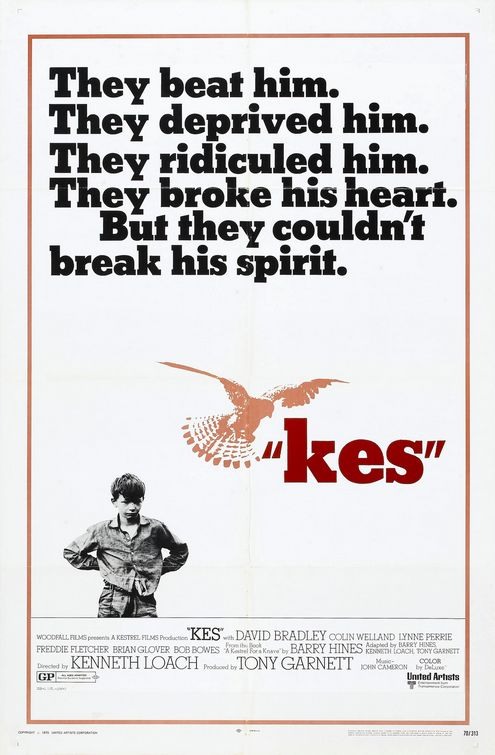
Spoiler-free review.
The central relationship feels real because it is built on shared struggle rather than sentimentality. The boy’s determination to train the kestrel reflects a yearning for something beyond his circumstances. His actions are driven by an unspoken need for control in a life that offers little stability.
The direction keeps things real, avoiding melodrama even during small wins. The pacing lets the emotions grow slowly but steadily, without pushing for a quick ending. Scenes move at a deliberate pace to highlight the boy’s loneliness and the pressure of his decisions.
The performance captures the boy’s vulnerability without oversimplifying his emotions. His voice and body language suggest a quiet resilience beneath the surface tension. The dialogue is sparse but meaningful, revealing character through what is left unsaid.
The film sometimes relies too much on its symbols, making the bird feel more like a sign than a real character in some parts. But the heart of the story is strong enough to keep the quieter moments from feeling empty.
1969 · English. Film details · Poster source · Artwork © its respective rights holders.
The film balances hope with the harsh realities of working-class life. The bond between the boy and the bird is both tender and quietly tragic.
— Desly