Fargo — Politeness beside terrible decisions
Fargo finds its dark humour in the gap between ordinary manners and appalling behaviour. Frances McDormand gives the film a steadiness that makes its cruelty and foolishness even more striking.
Fargo finds its dark humour in the gap between ordinary manners and appalling behaviour. Frances McDormand gives the film a steadiness that makes its cruelty and foolishness even more striking.
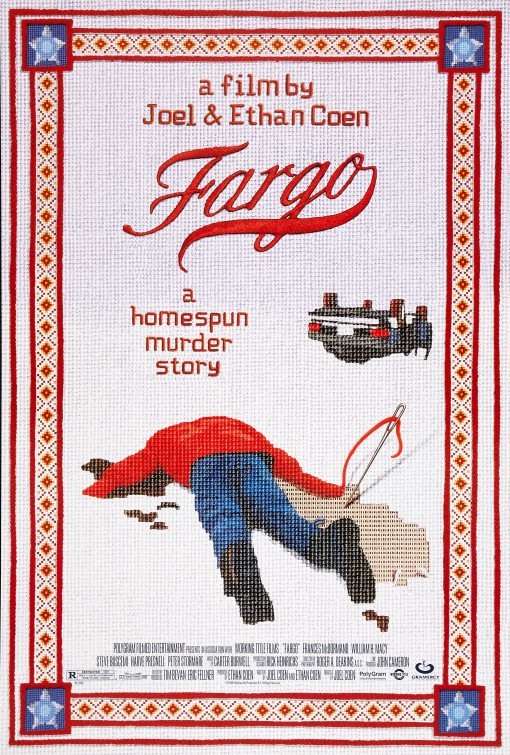
Spoiler-free review.
Frances McDormand is the best thing about Fargo, which is saying quite a lot. Marge’s steadiness gives the film a centre that does not have to compete with the more desperate people around her. She pays attention, asks a question and waits. The lack of theatricality makes her competence unusually satisfying to watch.
The Coens know how to let a pause carry the joke. Someone repeats a point or tries to make a bad explanation sound reasonable, and the scene gets funnier without the person seeming less serious. The dialogue has its own rhythm. It doesn’t need everyone to laugh at the absurdity.
William H. Macy makes embarrassment and panic sit uncomfortably close together. The performance is funny because the effort to remain respectable is so recognisable, even when the decisions are awful. Around him, the criminal arrangements have very little glamour. The film keeps finding the small, undignified practical problems inside a supposedly clever plan.
The violence is harsh, and the humour doesn’t make it feel light. That balance is what I admire most. The film lets ordinary kindness matter without getting sentimental. It’s a crime story with a unique voice, and its focus on everyday behaviour makes the darkness more powerful.
1996 · English. Film details · Poster source · Artwork © its respective rights holders.
Fargo finds its dark humour in the gap between ordinary manners and appalling behaviour. Frances McDormand gives the film a steadiness that makes its cruelty and foolishness even more striking.
— Desly