Dogville — A stage set as a moral landscape
Dogville's sparse design forces attention on the characters' choices. The moral dilemmas feel urgent, even if the structure risks abstraction.
Dogville's sparse design forces attention on the characters' choices. The moral dilemmas feel urgent, even if the structure risks abstraction.
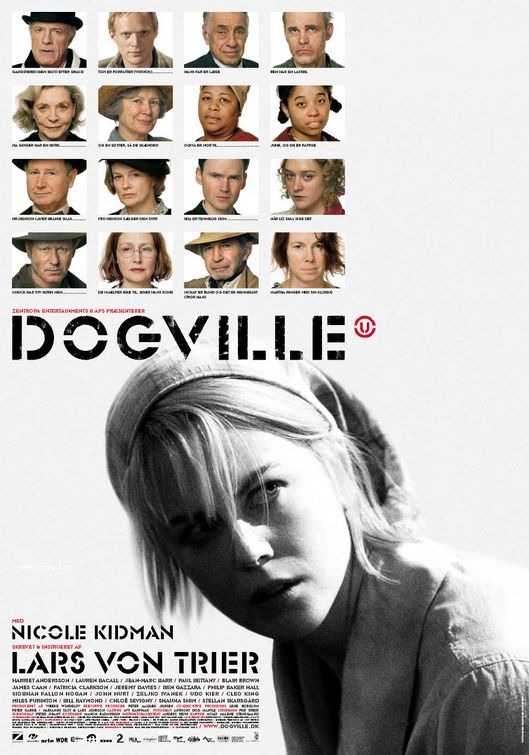
Spoiler-free review.
The film unfolds in a single, bare space that becomes a metaphor for human morality and exploitation. Grace's arrival disrupts the town's fragile peace, revealing hidden cruelties beneath polite surfaces. The townspeople's decisions are tested through escalating demands on Grace, pushing them toward moral collapse.
The direction has a strong theatrical feel, which can make the emotions feel a bit removed at times. The pacing is slow but builds tension gradually, with pressure increasing as the story moves forward. The simple set design doesn't offer much visual relief, which makes the emotional weight of each scene feel heavier.
Nicole Kidman's performance is restrained yet emotionally charged, anchoring the film's moral gravity. Paul Bettany and Stellan Skarsgård bring layered complexity to their roles as town leaders with hidden ambitions. The dialogue often feels heightened, echoing stage conventions that may not fully serve the story's emotional core.
There is a risk of intellectualizing the drama at the expense of raw human emotion. The film's ambition overshadows its quieter moments, which can feel underdeveloped in comparison. Despite this, the moral inquiry remains compelling, asking difficult questions about complicity and survival.
2003 · English. Film details · Poster source · Artwork © its respective rights holders.
Dogville's sparse design forces attention on the characters' choices. The moral dilemmas feel urgent, even if the structure risks abstraction.
— Desly