Dial M for Murder — A crime plotted in reverse
The film's suspense hinges on what the audience knows and what remains hidden. Grace Kelly's performance elevates the tension beyond mere plot mechanics.
The film's suspense hinges on what the audience knows and what remains hidden. Grace Kelly's performance elevates the tension beyond mere plot mechanics.
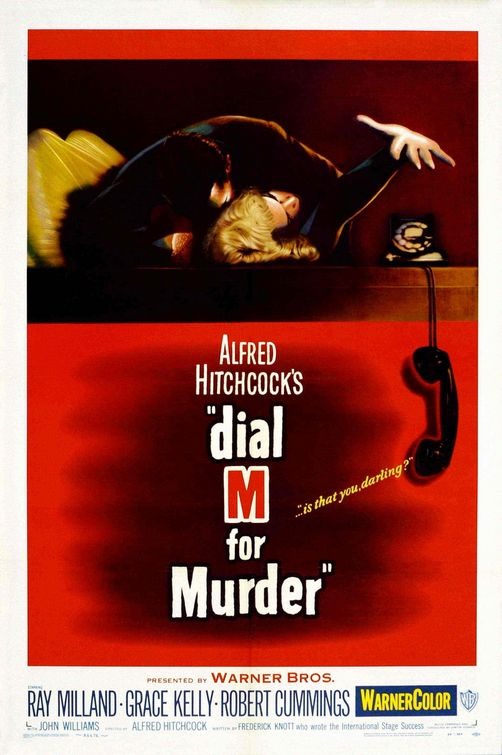
Spoiler-free review.
The husband plans to kill his wife, but she knows about it and keeps quiet. The story unfolds slowly, with each new detail adding pressure on both the characters and the audience. The real tension comes from the tricky choices the characters make, even if the plot isn't always clear.
Hitchcock keeps the audience hooked without relying on tricks or jump scares. The film moves at a steady pace, letting tension grow naturally instead of relying on sudden surprises. The script avoids over-the-top drama by focusing on the mental weight of what's happening.
Grace Kelly conveys quiet resolve, making her role more than a passive observer in the plot. Ray Milland's performance adds complexity to his character, revealing layers beneath the surface of his actions. Dialogue is taut and purposeful, with each line contributing to the growing suspense.
The film sometimes feels too clever for its own good, making it hard to connect with the characters emotionally. But the acting keeps you interested in what happens to them. Dial M for Murder shows how suspense can be built through characters and situations, not just special effects.
1954 · English. Film details · Poster source · Artwork © its respective rights holders.
The film's suspense hinges on what the audience knows and what remains hidden. Grace Kelly's performance elevates the tension beyond mere plot mechanics.
— Desly