The Boy in the Striped Pyjamas — difficult to sit with
The young performances give this drama its emotional force. Powerful as fiction, though its view of history needs care.
The young performances give this drama its emotional force. Powerful as fiction, though its view of history needs care.
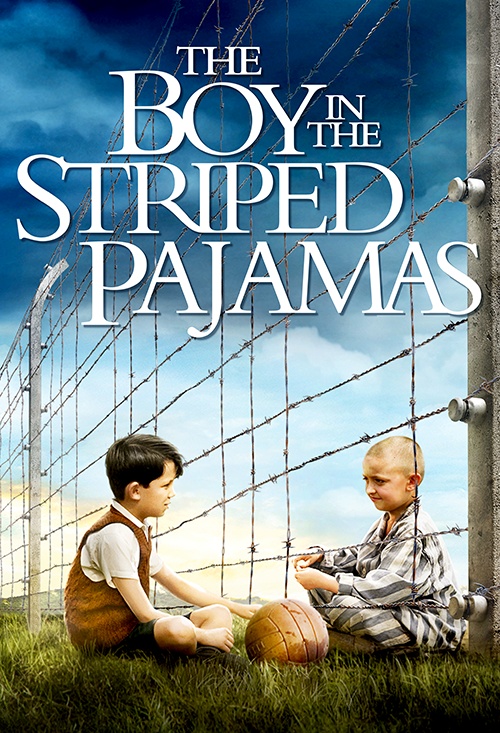
Spoiler-free review.
The strongest parts of The Boy in the Striped Pyjamas are often the simplest conversations. A child asks something directly, and an adult avoids answering it. You can feel the distance between what is being said and what is being understood.
Asa Butterfield gives Bruno a curiosity that makes those exchanges uncomfortable. Jack Scanlon brings a quieter presence to Shmuel, and the scenes between them depend more on their awkward attempts to connect than on elaborate dialogue. The performances give the film a human centre.
Mark Herman keeps the telling straightforward. The contrast between the children’s limited understanding and the adults’ behaviour does much of the work. Vera Farmiga is particularly effective in scenes where a reaction tells you more than the words around it.
Some of the writing pushes hard for an emotional response, and the simplified setup has serious limits. UCL’s Centre for Holocaust Education has documented the historical misconceptions associated with the story. I would treat it as a fictional drama, rather than a reliable picture of camp life.
9/10 for its emotional impact and the performances. A painful watch, with that distinction between moving fiction and accurate history firmly in mind.
Directed by Mark Herman · 2008 · English. Film details: Miramax. Poster artwork © its respective rights holders.
The young performances give this drama its emotional force. Powerful as fiction, though its view of history needs care.
— Desly