After Hours — A night out that spirals into absurdity
The film's rhythm balances dark humor with escalating tension. The central character’s confusion mirrors the audience's disorientation.
The film's rhythm balances dark humor with escalating tension. The central character’s confusion mirrors the audience's disorientation.
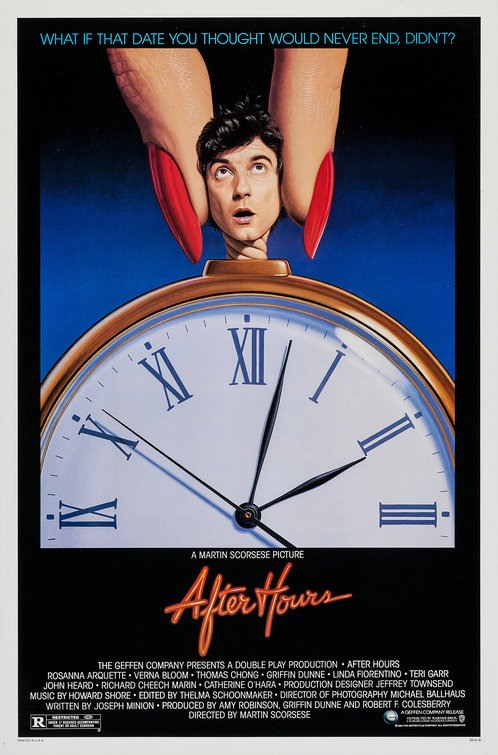
Spoiler-free review.
Paul Hackett stumbles through a series of bizarre encounters as he tries to return home after a night out in New York. His journey becomes increasingly surreal, with each new situation compounding his frustration and bewilderment. The film’s humor arises from the contrast between Paul's desperation and the absurdity of his surroundings.
Scorsese keeps the tension high by moving quickly between scenes, without needing jump scares or big thrills. The city feels like another character, changing around Paul as he walks its streets. Each situation is short but packed with meaning, avoiding long speeches or clear answers.
Griffin Dunne conveys Paul's vulnerability and confusion without overacting or melodrama. His performance keeps the character grounded even when the plot becomes increasingly farcical. Supporting actors deliver sharp, concise lines that reflect their own peculiarities without overshadowing Paul’s plight.
The film relies too much on its own idea in the later parts, turning some characters into stereotypes. Still, the mix of humor and tension works for most of the movie. After Hours is successful because it makes you feel Paul's confusion as he moves through a night that never really makes sense.
1985 · English. Film details · Poster source · Artwork © its respective rights holders.
The film's rhythm balances dark humor with escalating tension. The central character’s confusion mirrors the audience's disorientation.
— Desly